Breakfast at the Colca Canyon
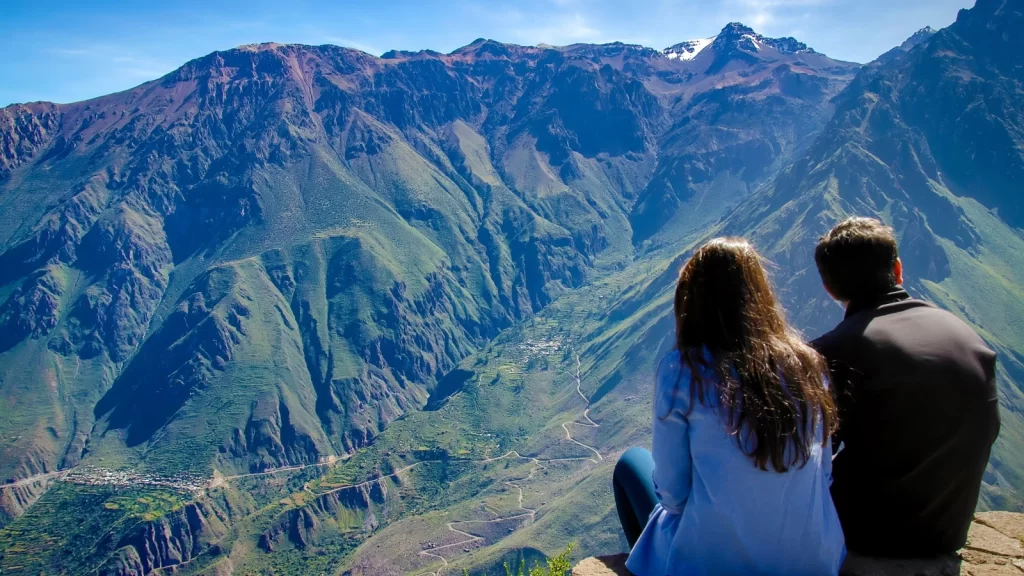
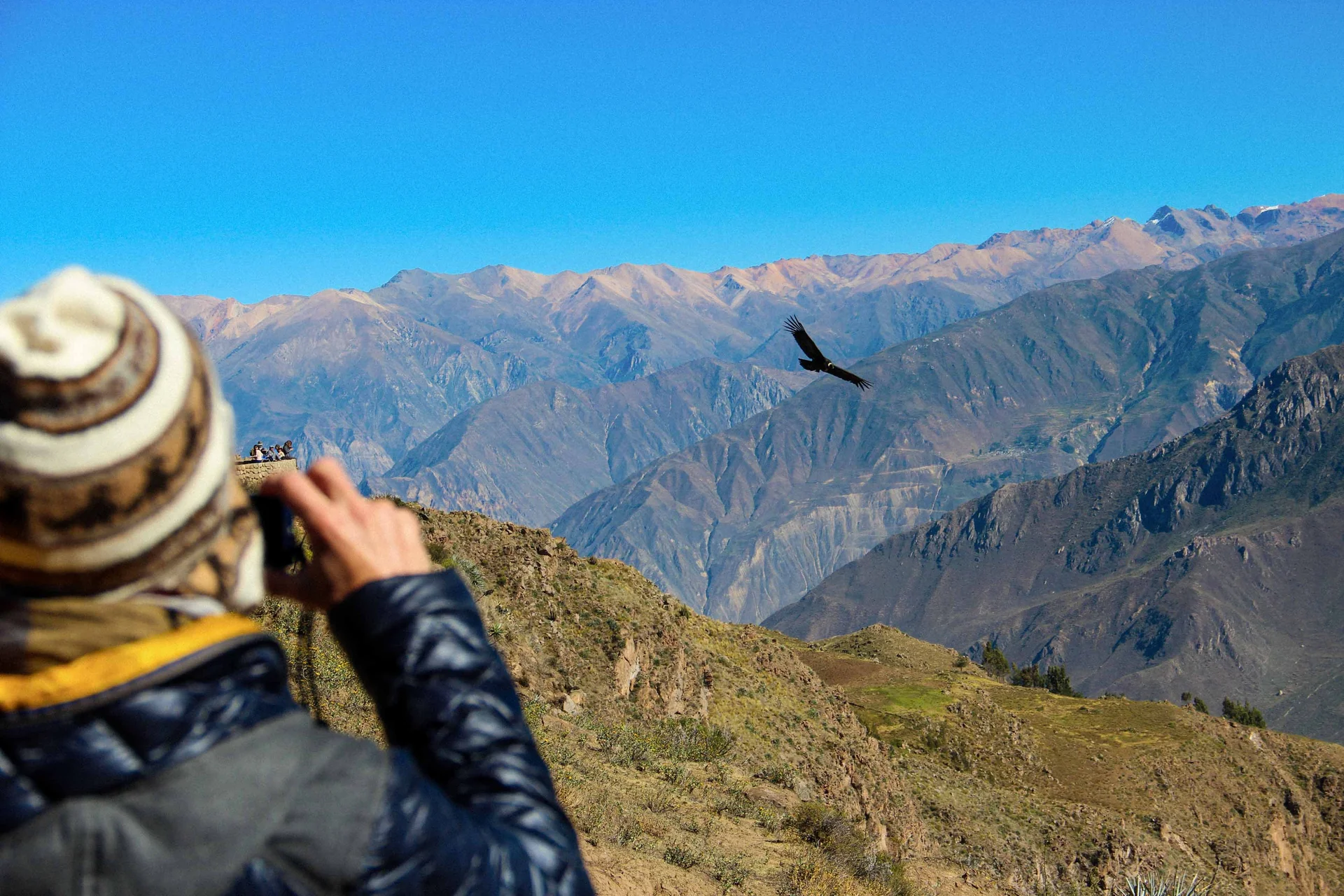
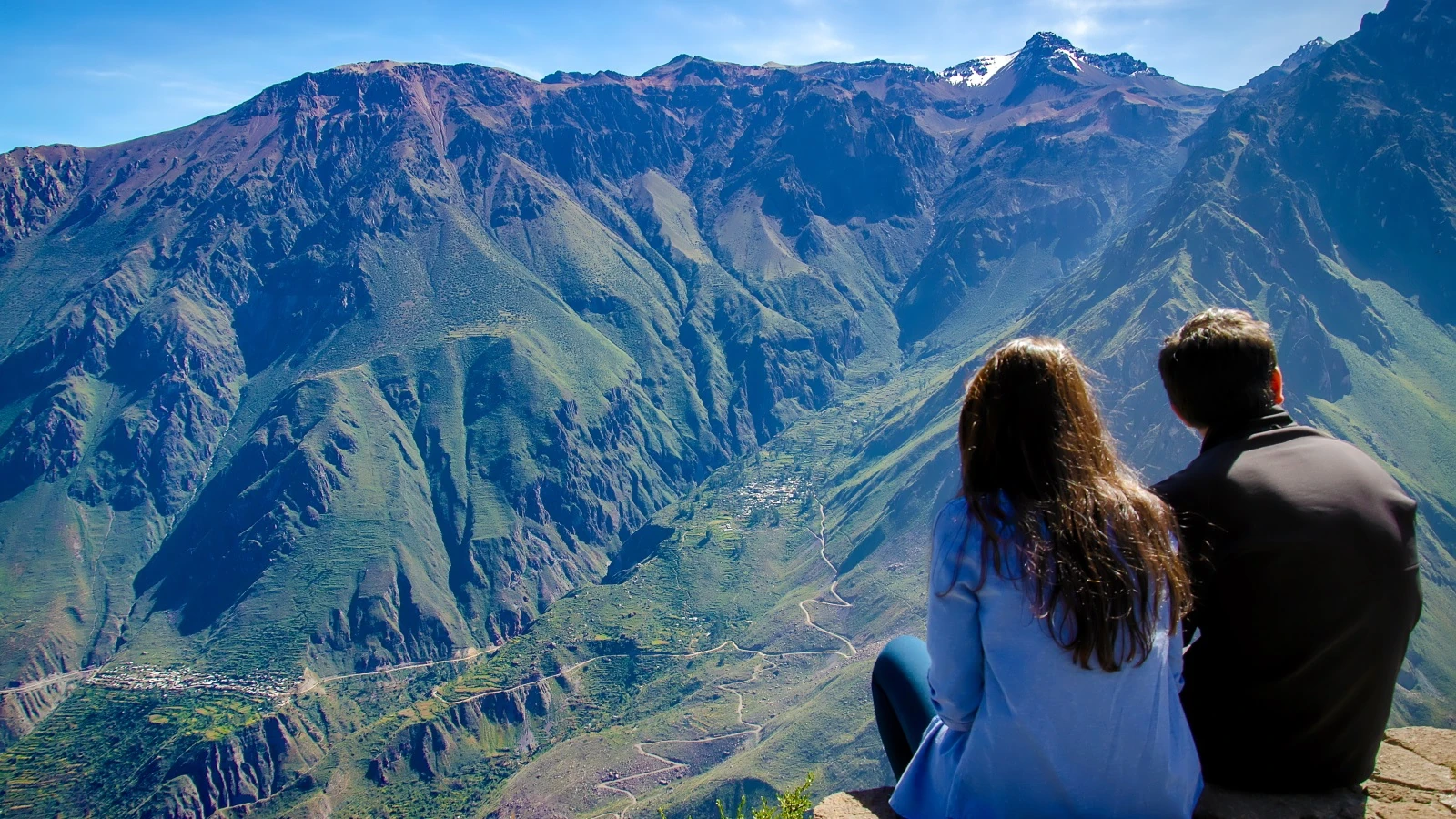
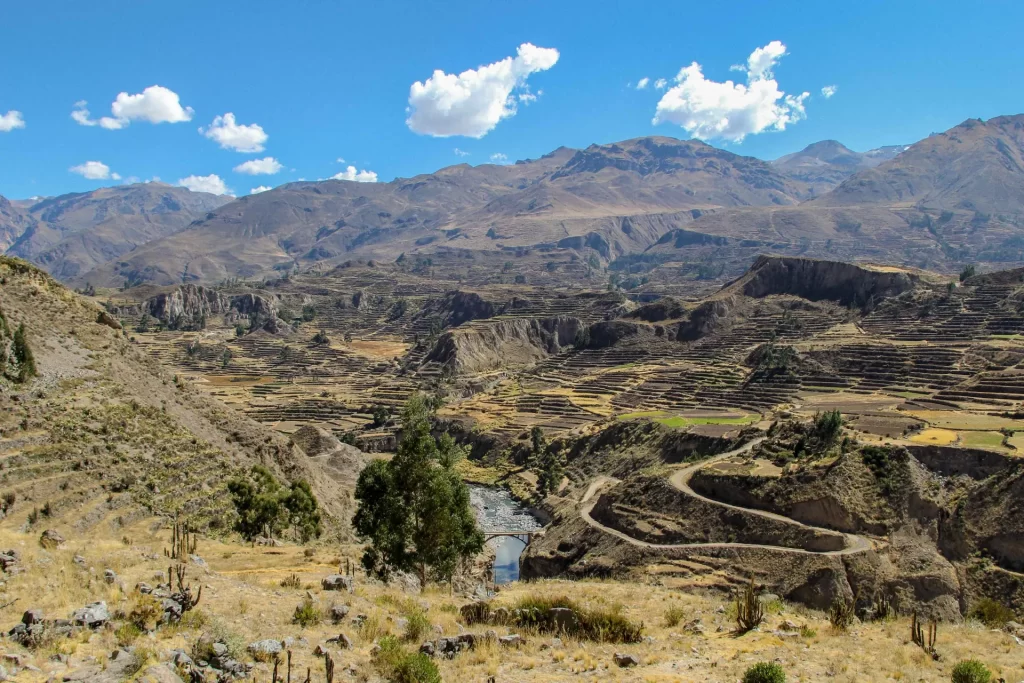
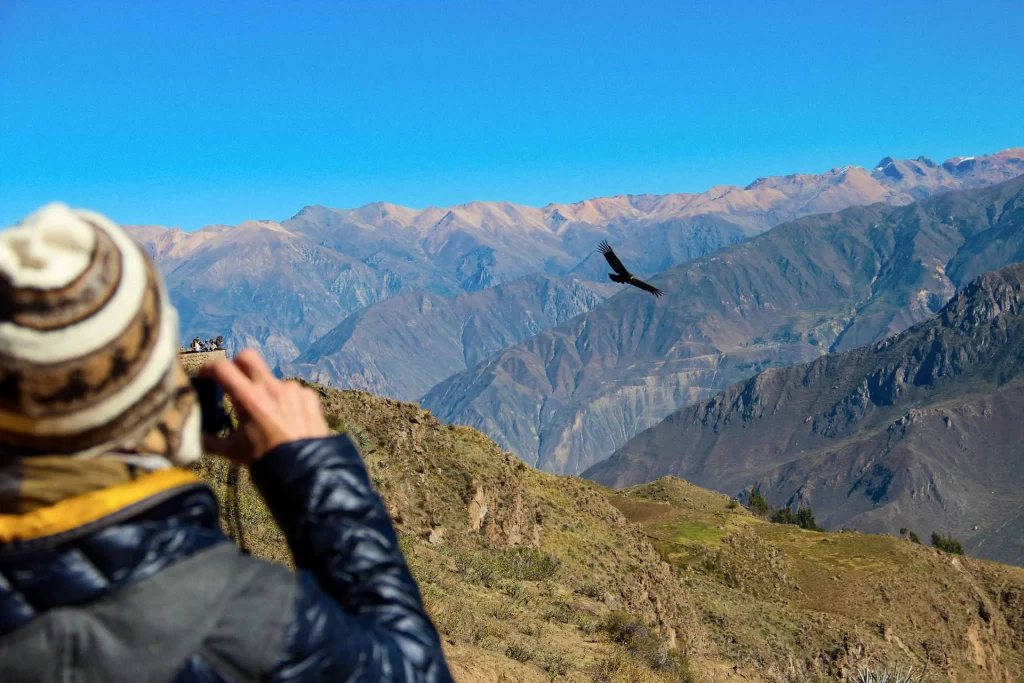
Breakfast is a picnic at Cruz del Condor, at the edge of one of the deepest canyons in the world, as condors ride the first thermals out of the gorge, then an hour's walk along the rim to Mirador del Cura.
Fully customizable
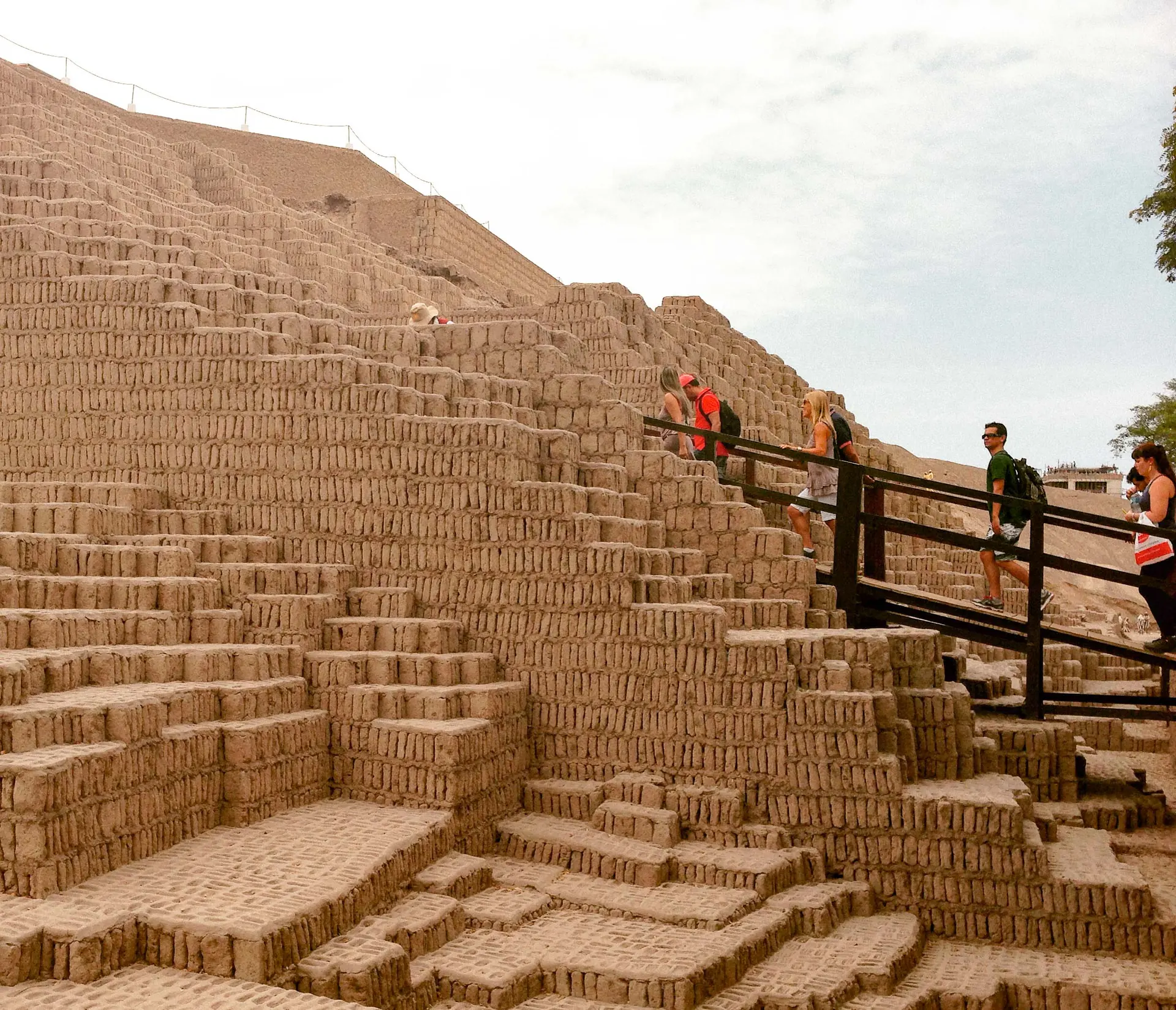
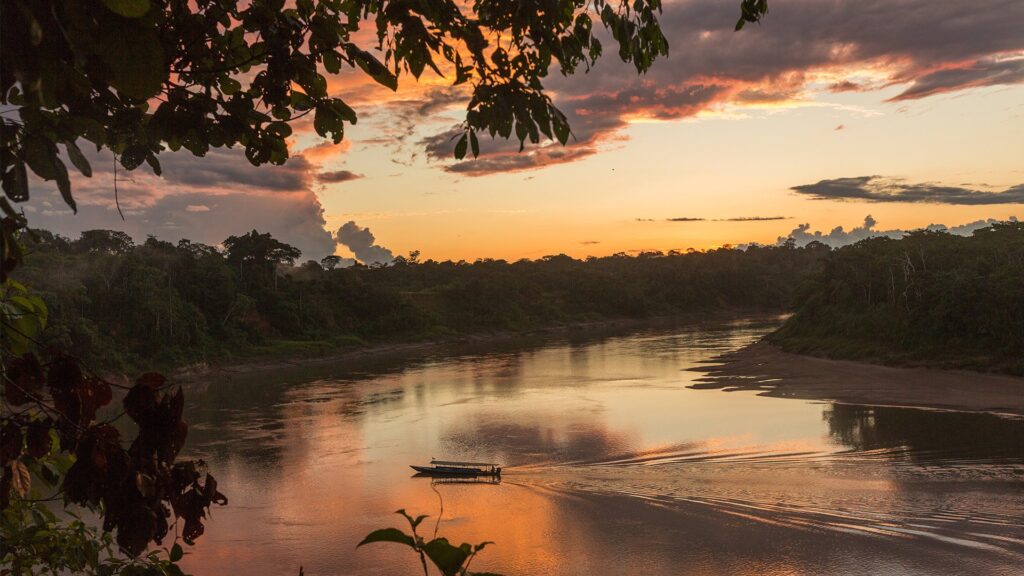
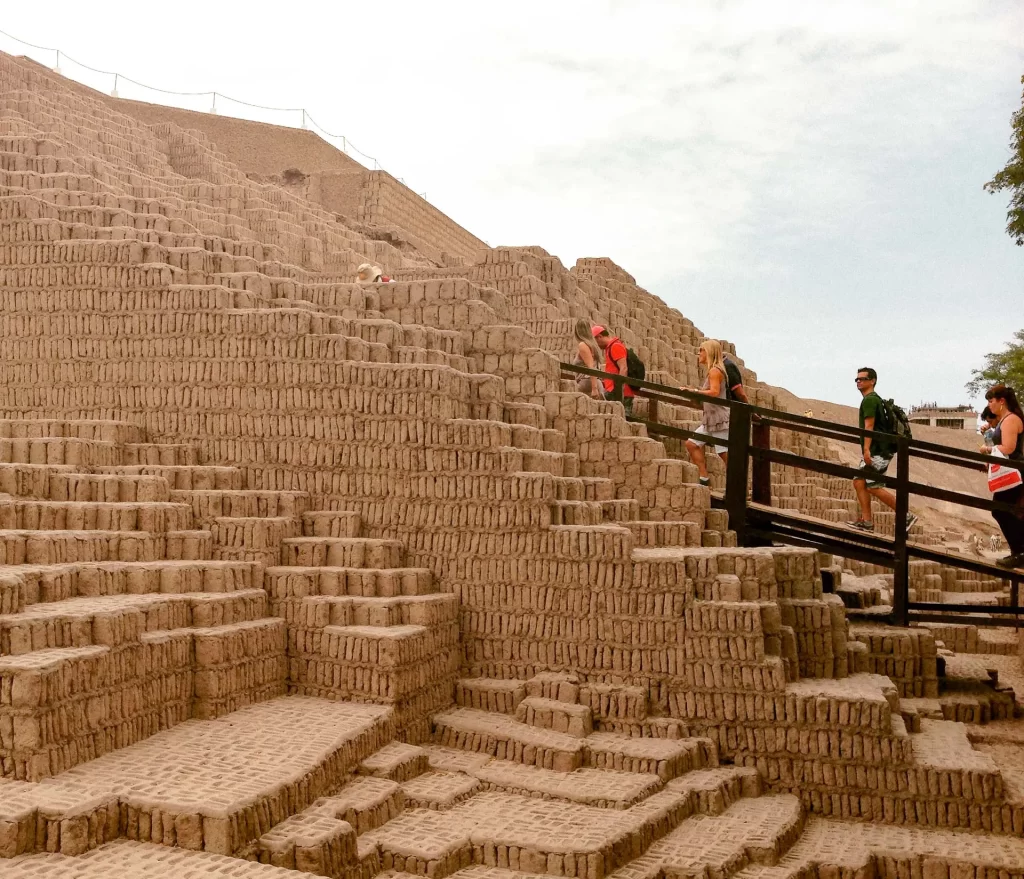
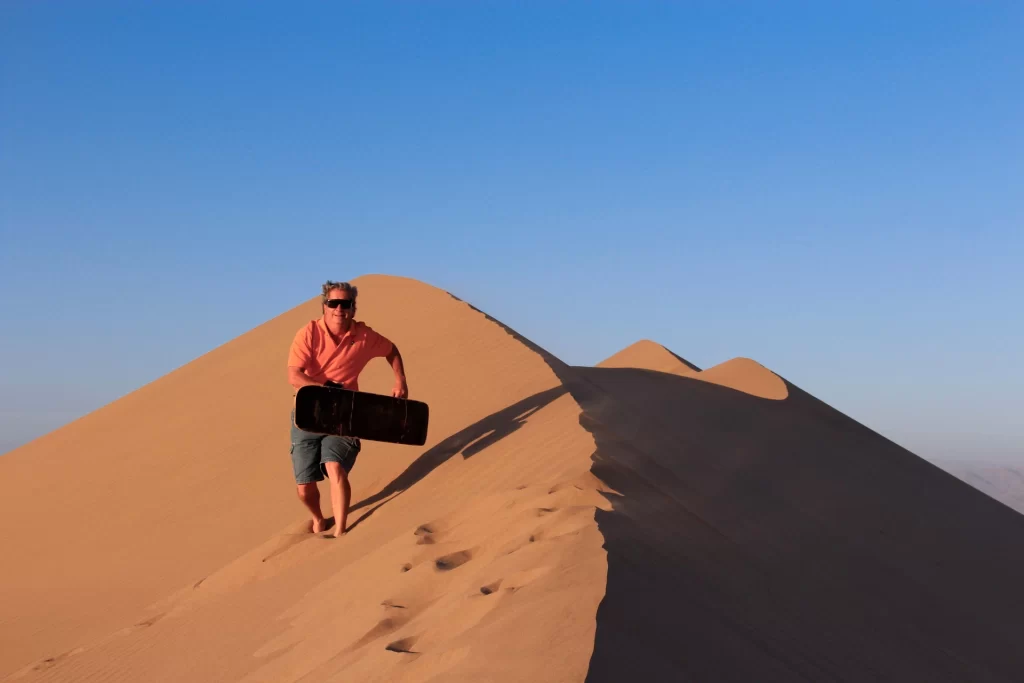
Eighteen days down the length of southern Peru, taking the famous sites and the back roads in one route. Lima opens at its markets and its pyramid, and the coast below it brings the Nazca Lines from the air, the red desert of Paracas and the dunes behind Ica. Arequipa and the Colca Canyon follow, one for its kitchens and its convent, the other for condors at first light. Titicaca is met from a farming peninsula on its southern shore, and the road north into Cusco runs through canyon country and puya forest. The Sacred Valley, the short Inca Trail and Machu Picchu close it.
Breakfast is a picnic at Cruz del Condor, at the edge of one of the deepest canyons in the world, as condors ride the first thermals out of the gorge, then an hour's walk along the rim to Mirador del Cura.
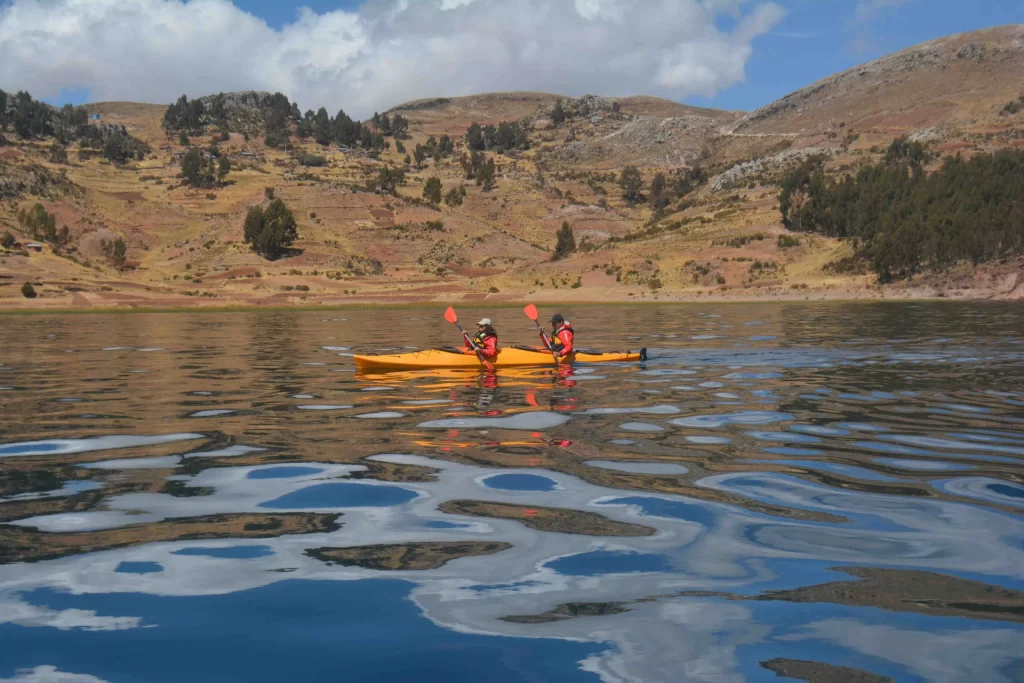
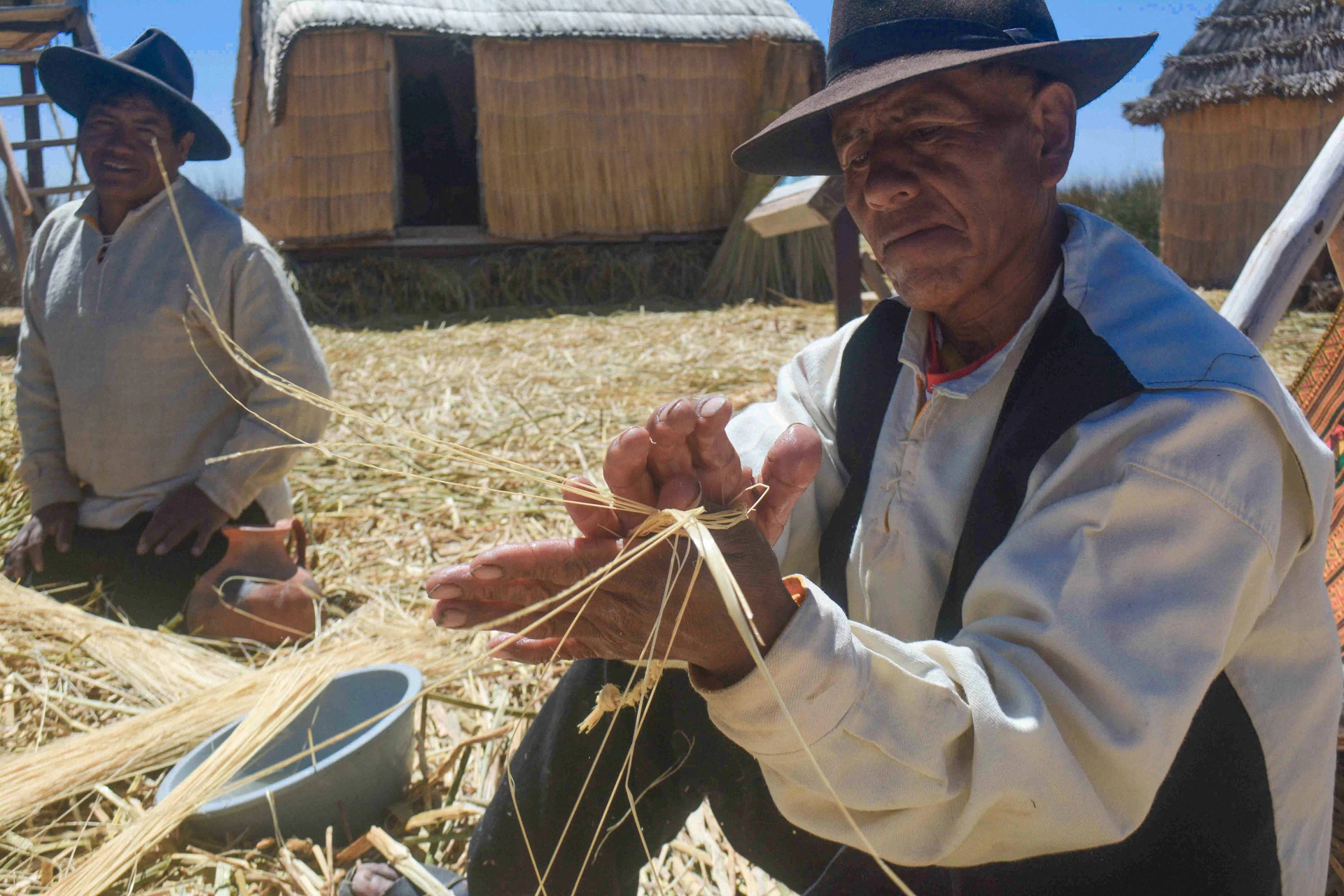
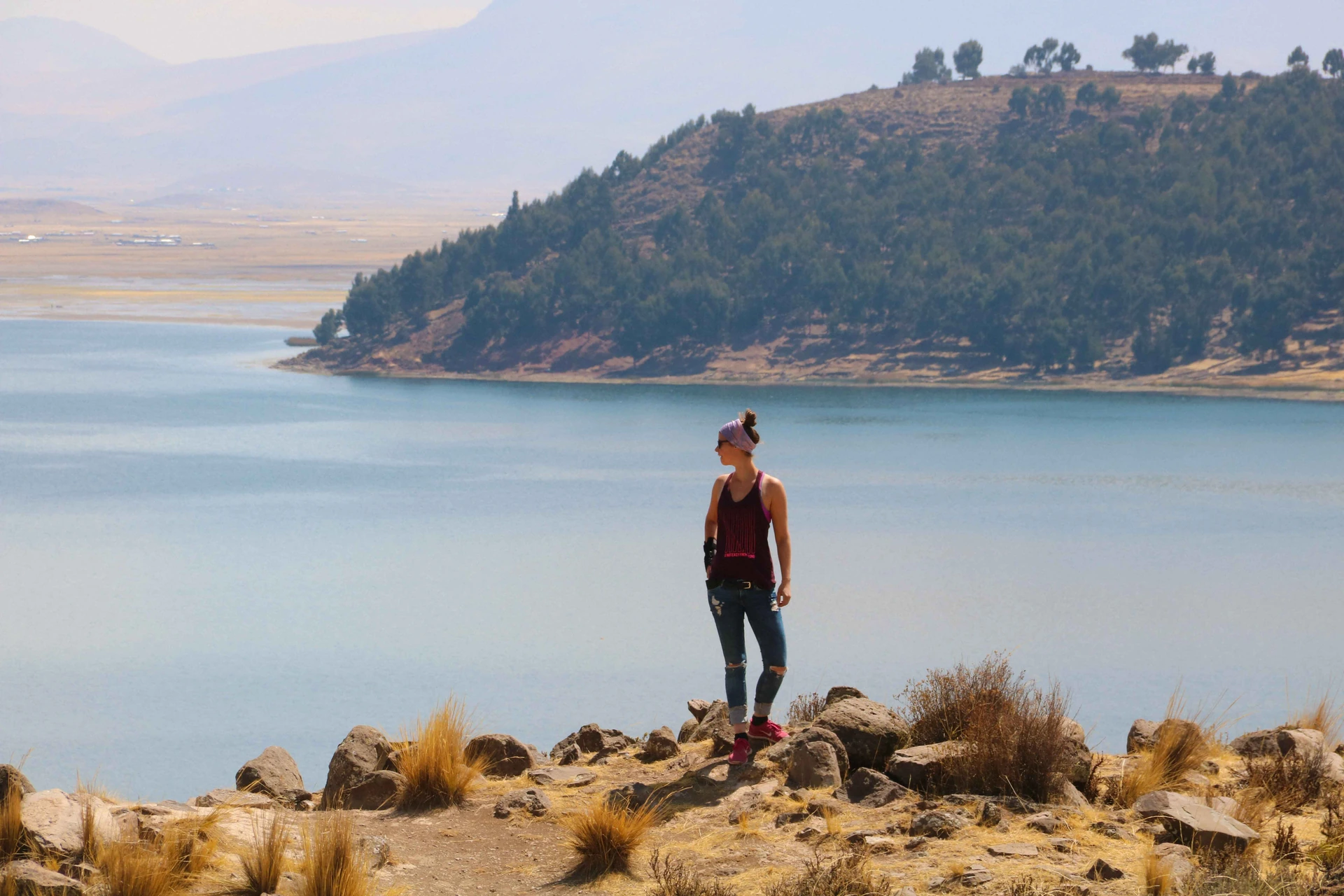
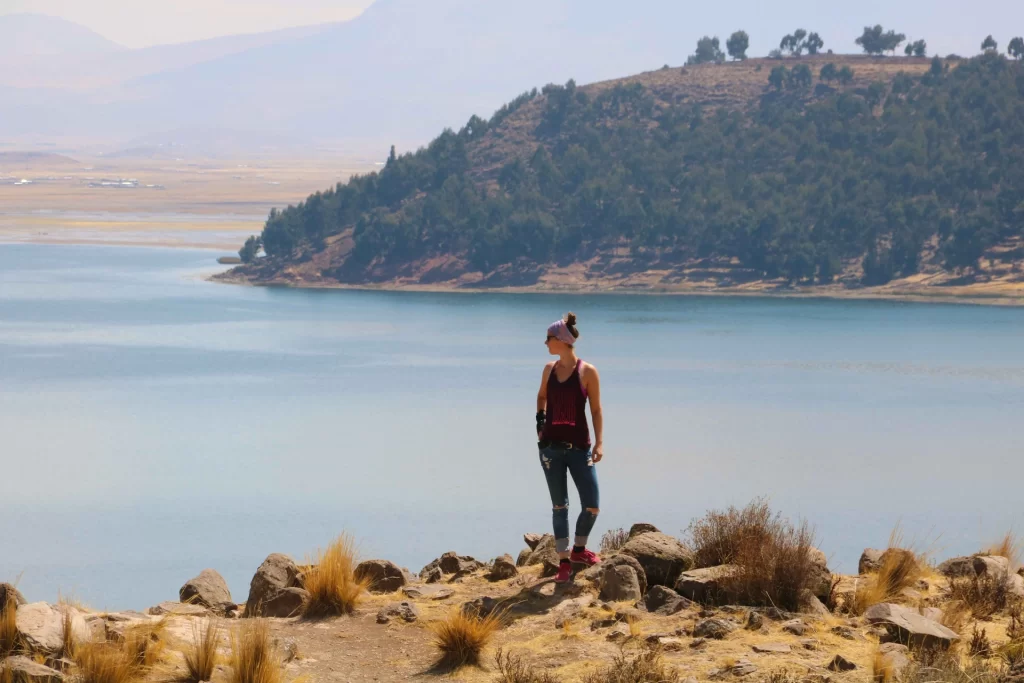
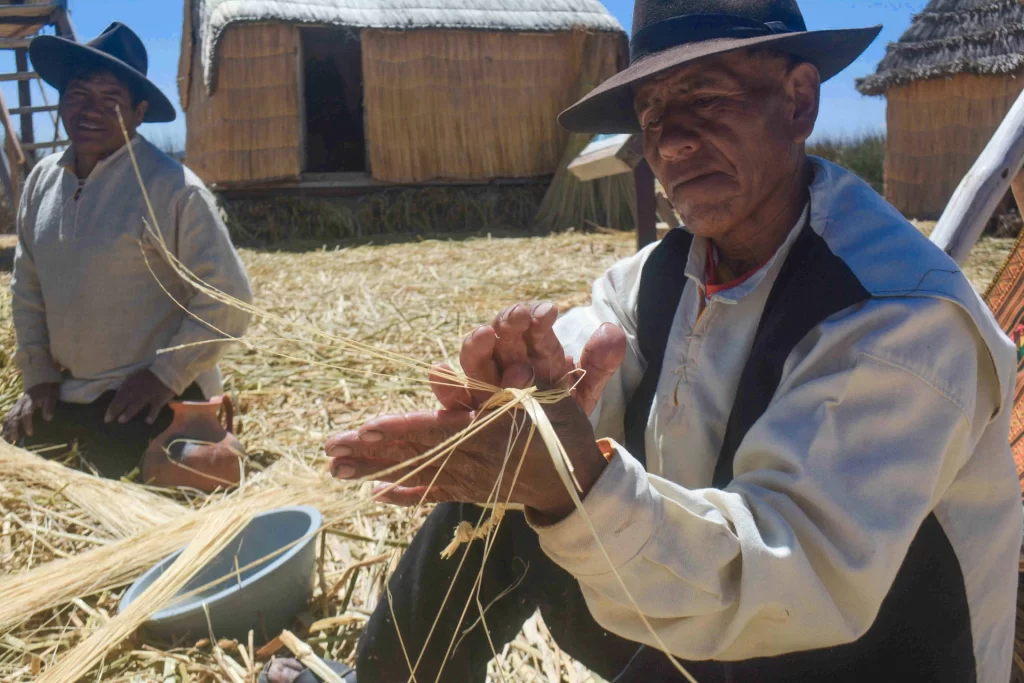
A private boat crosses to a farming community on the Chucuito peninsula for a day with the families, a kayak on the water and lunch at a family table, calling at the reed islands on the way back.
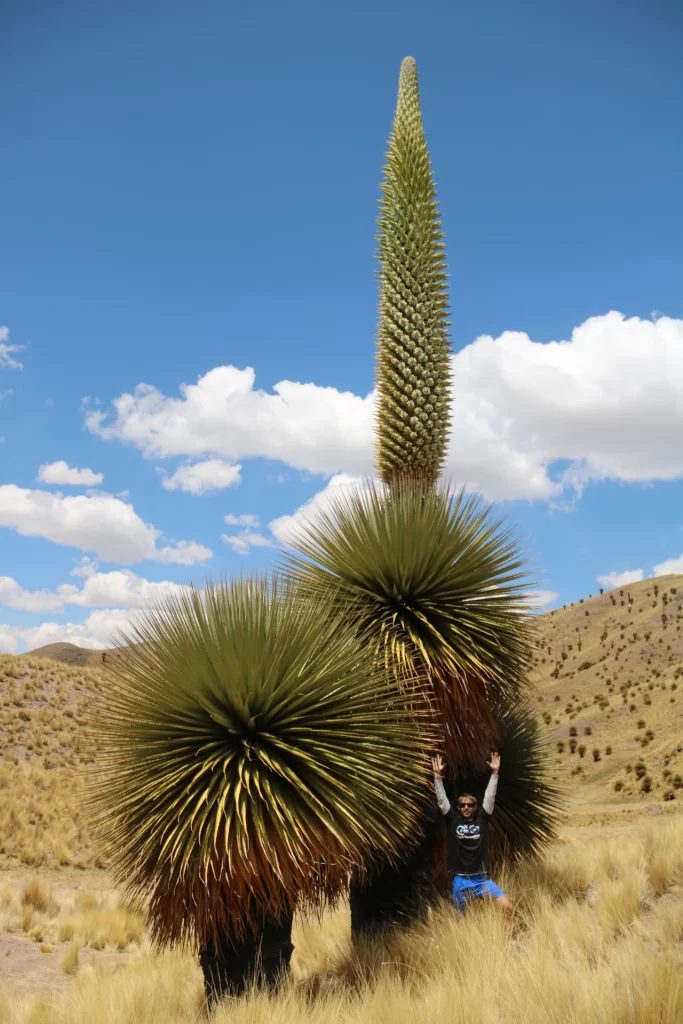
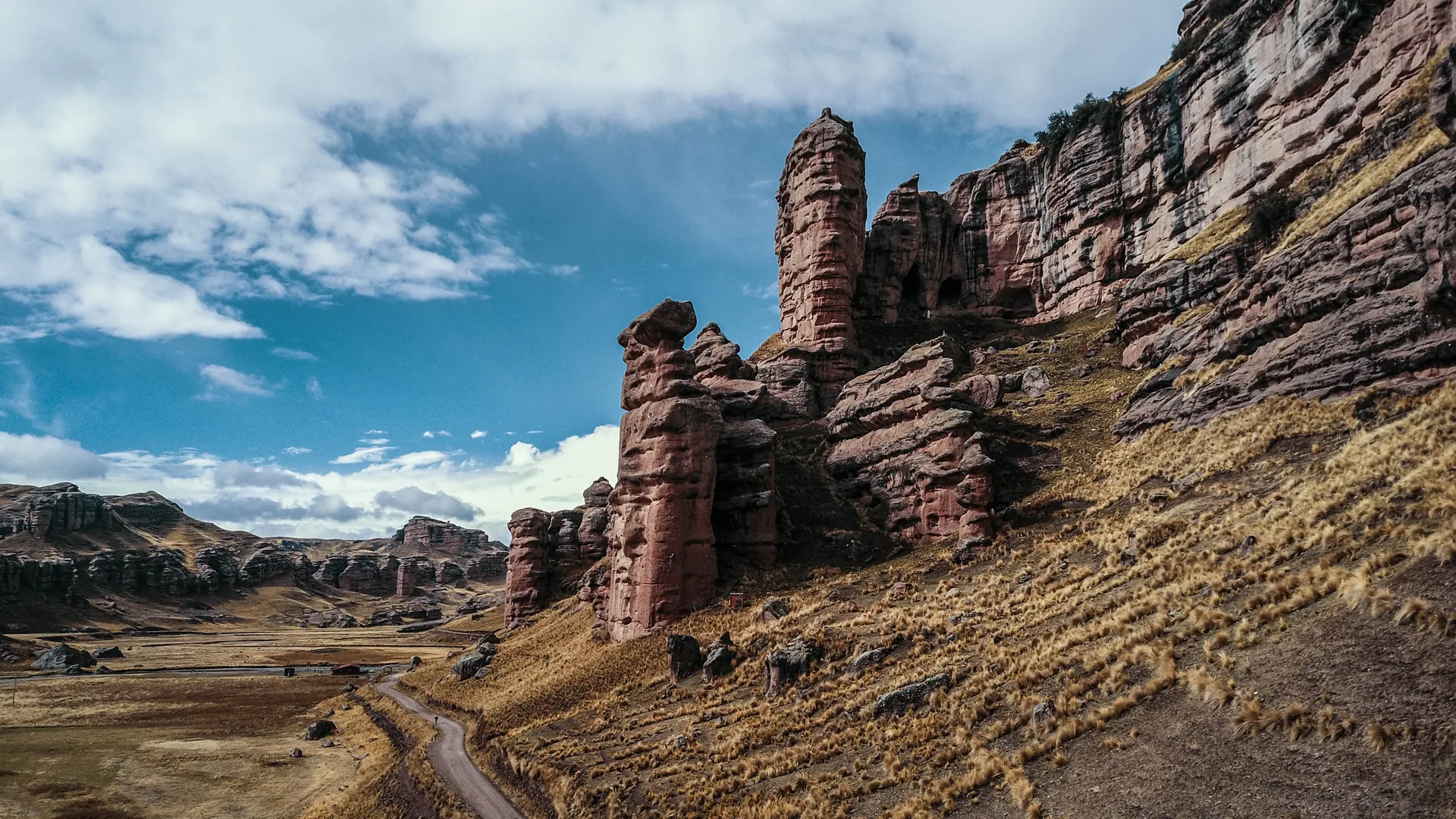
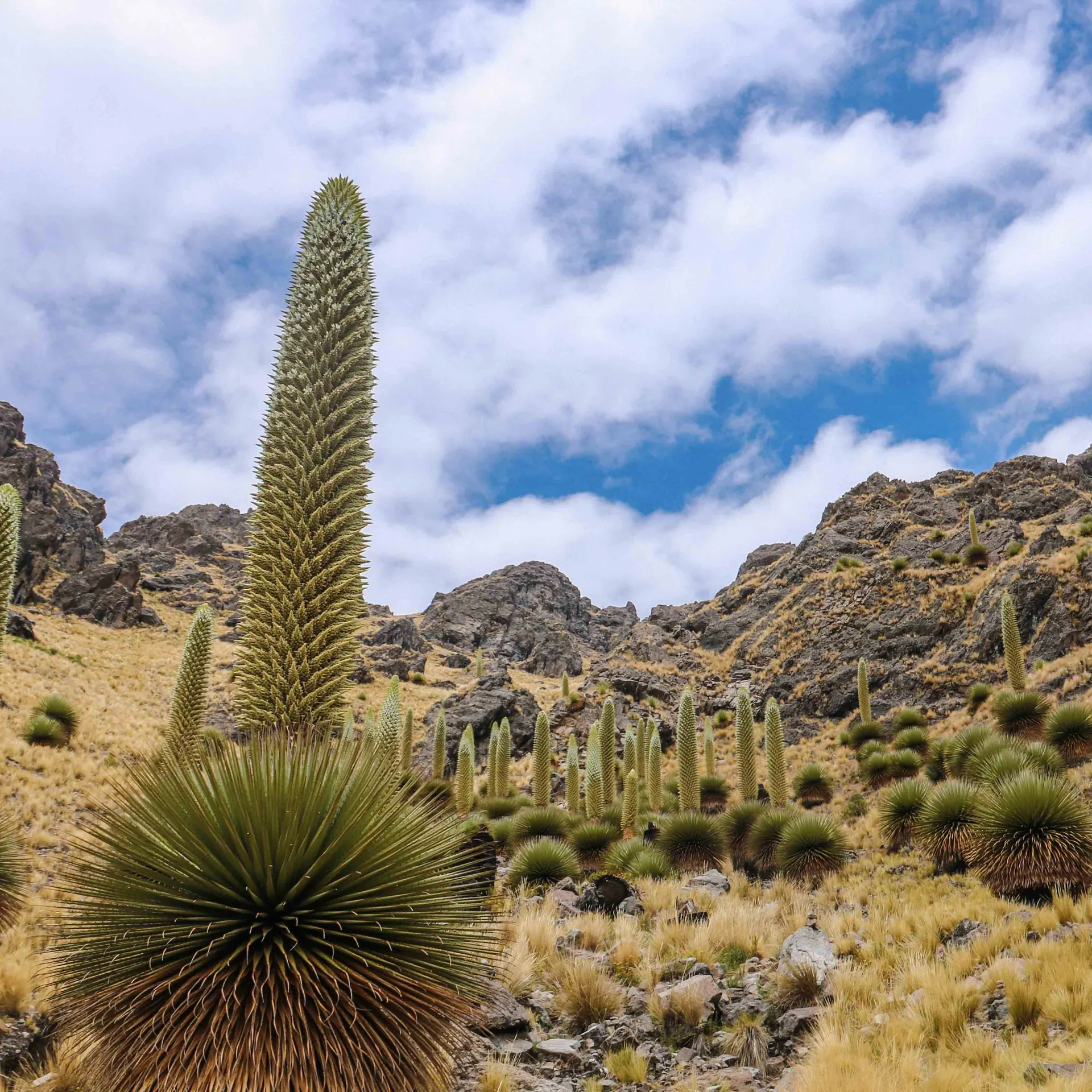
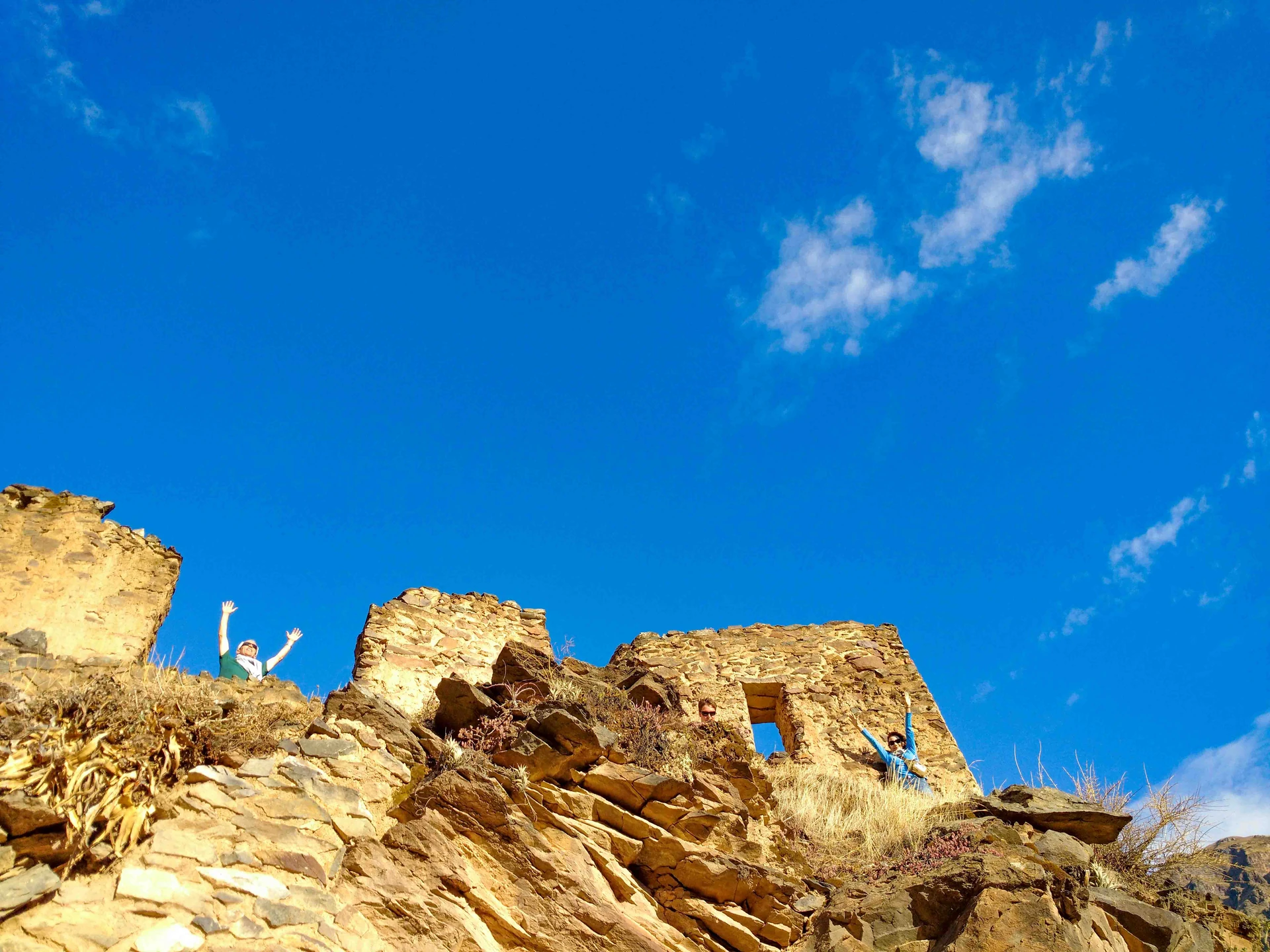
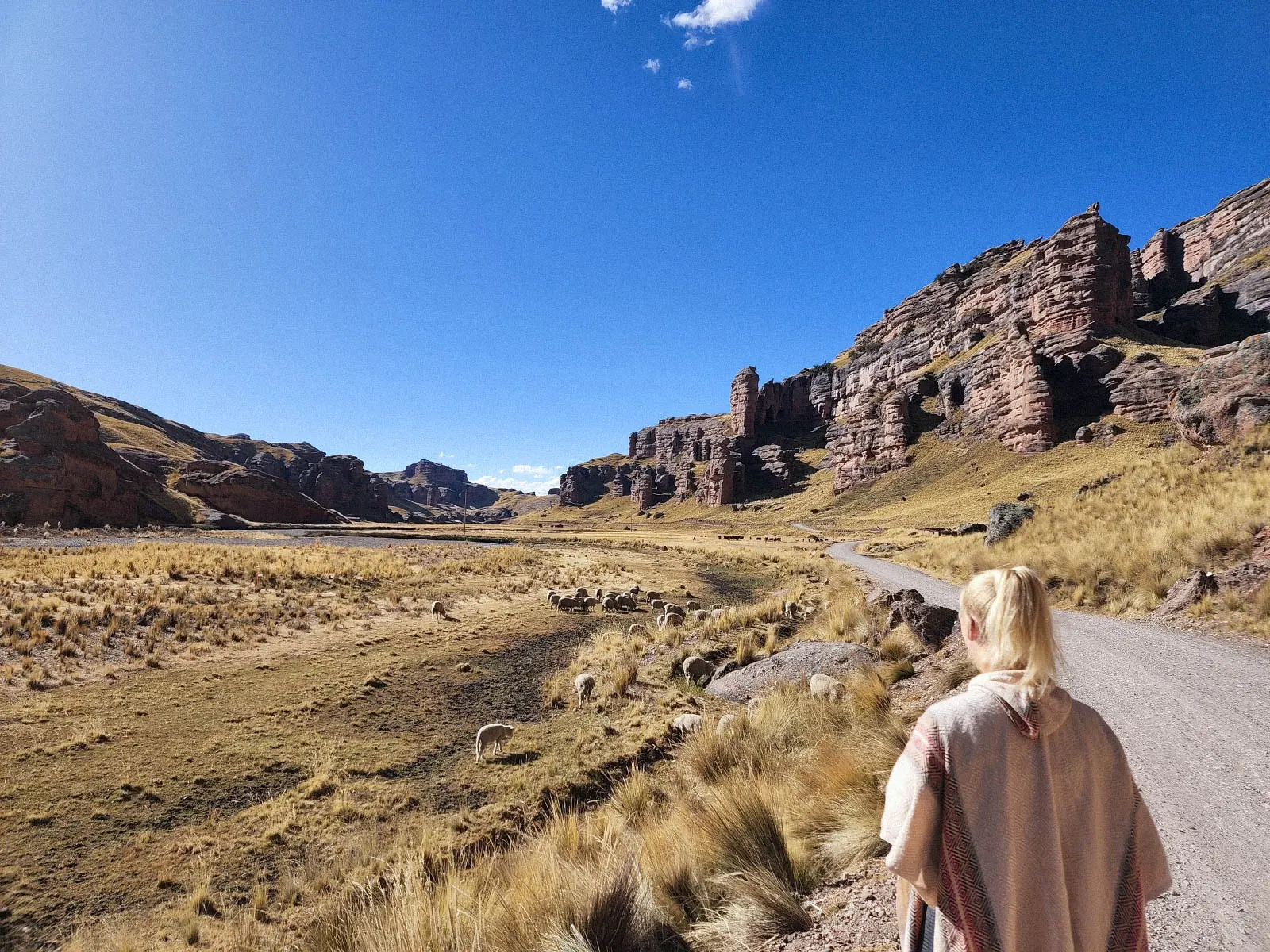
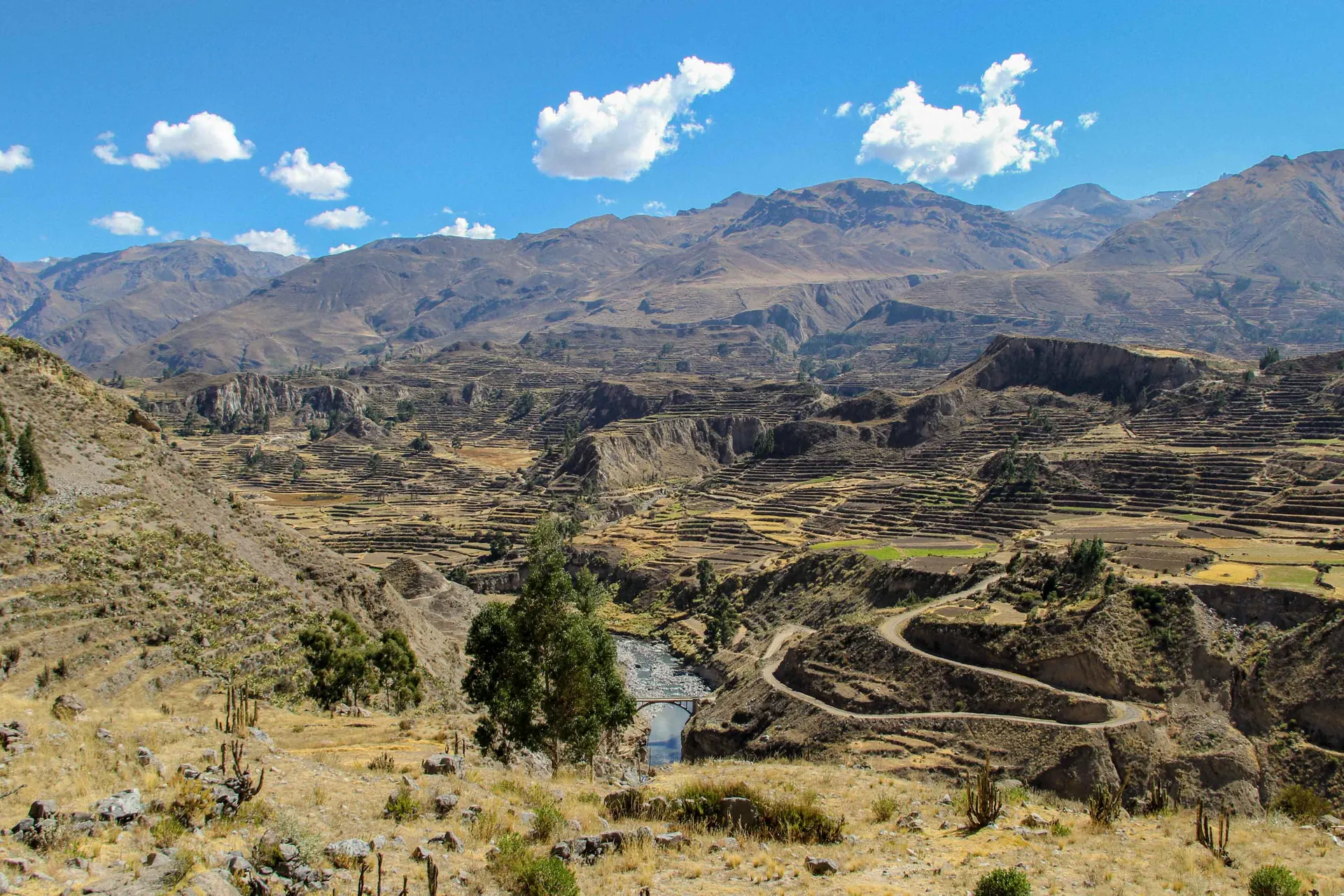
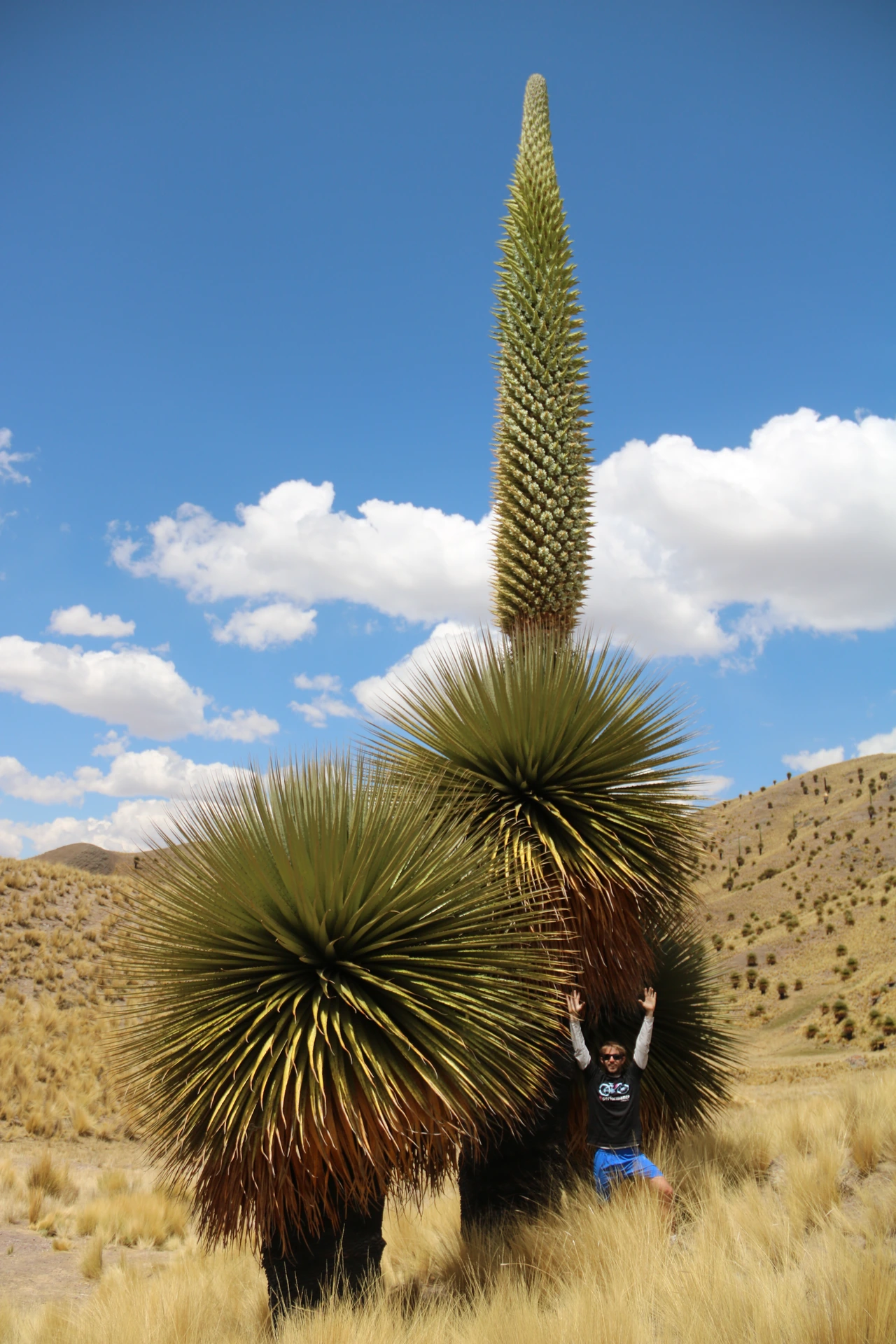
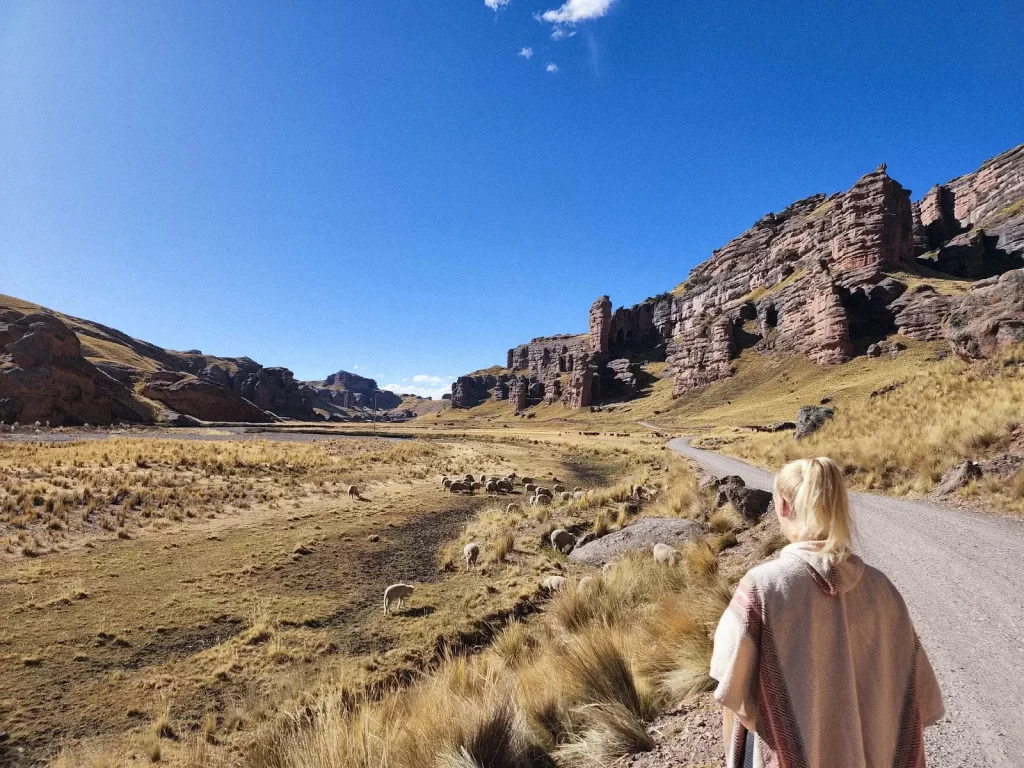
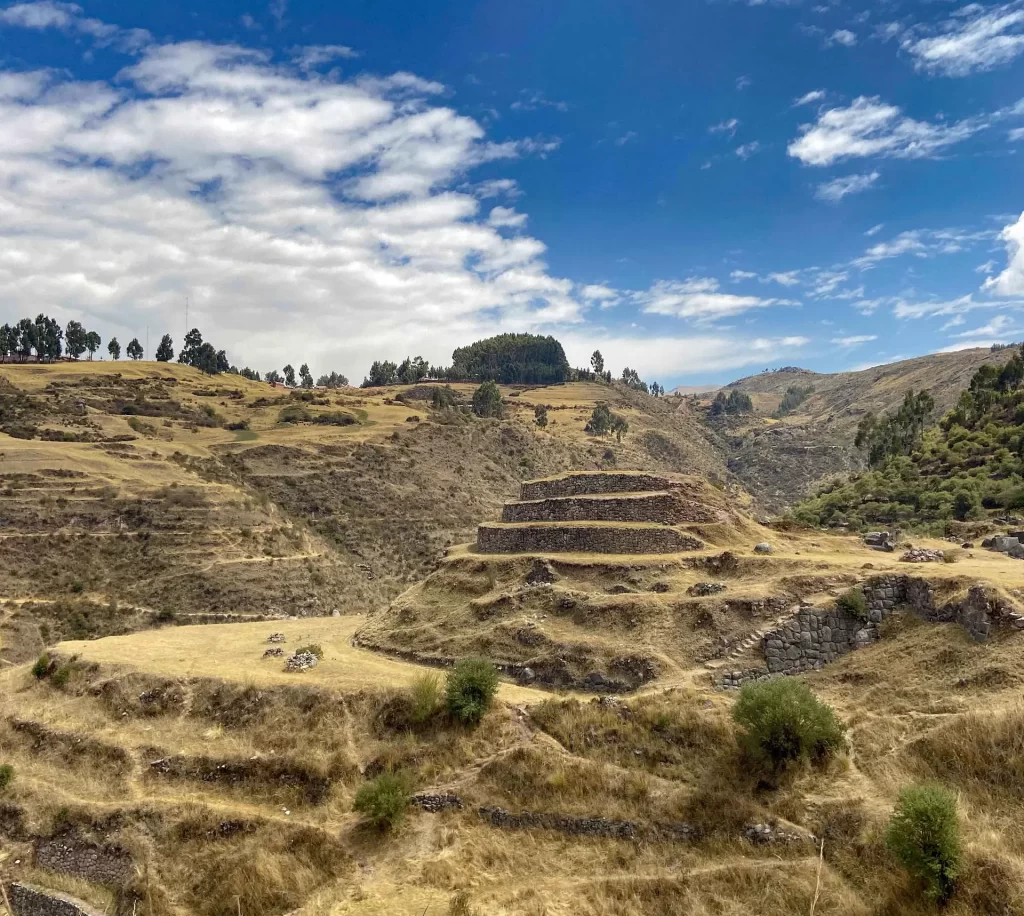
Off the beaten path on the road north to Cusco: eroded red walls with the Puyas de Raimondi standing above them, the tallest flower spike on earth, after a coffee tasting in Pucara.
Day 01
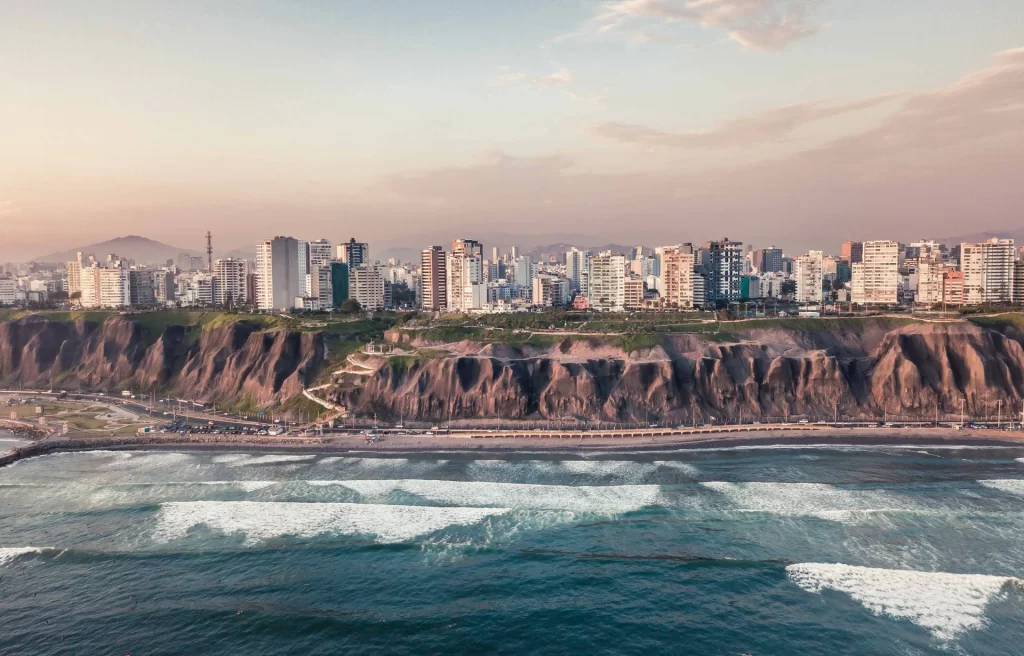
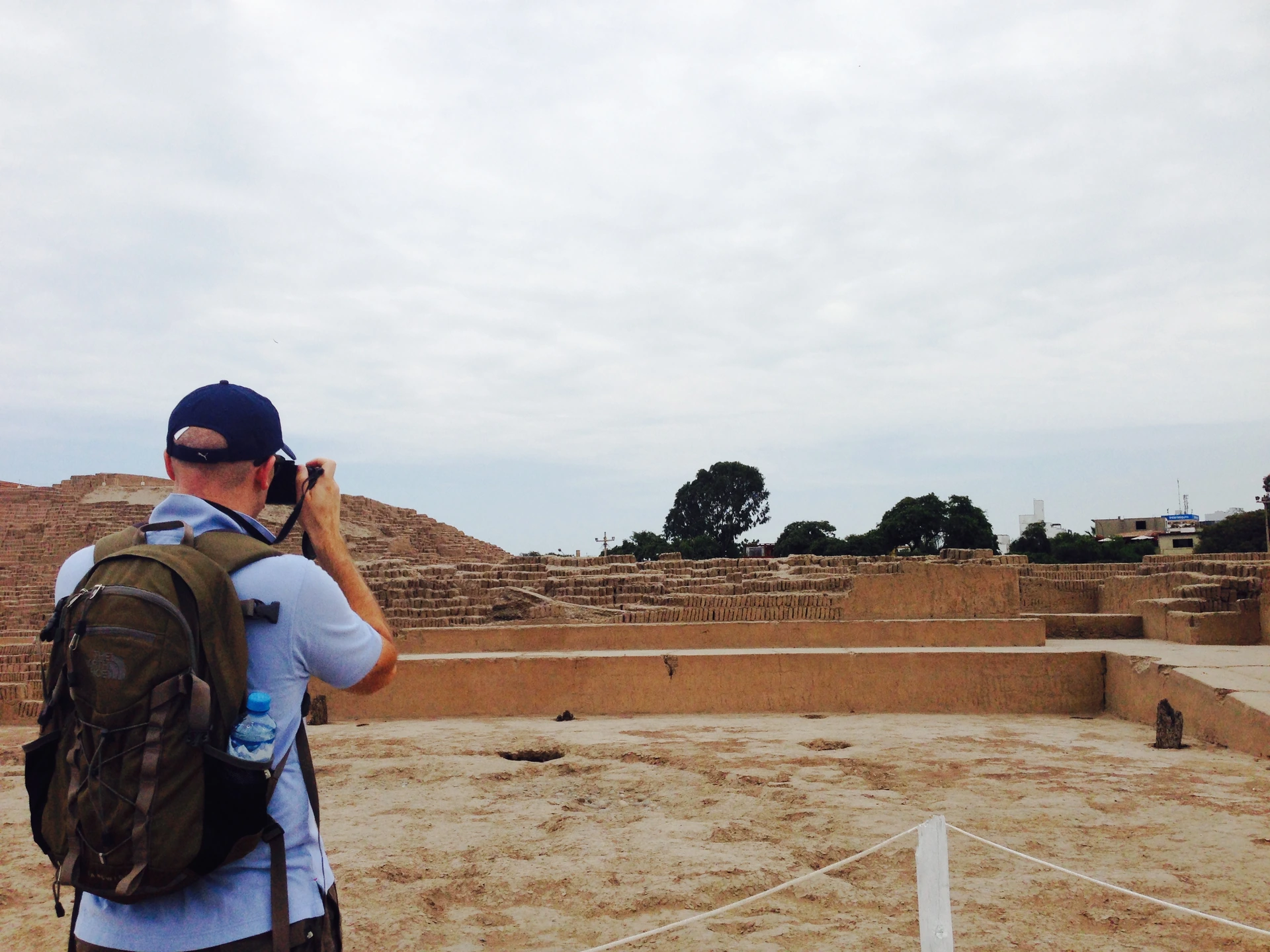
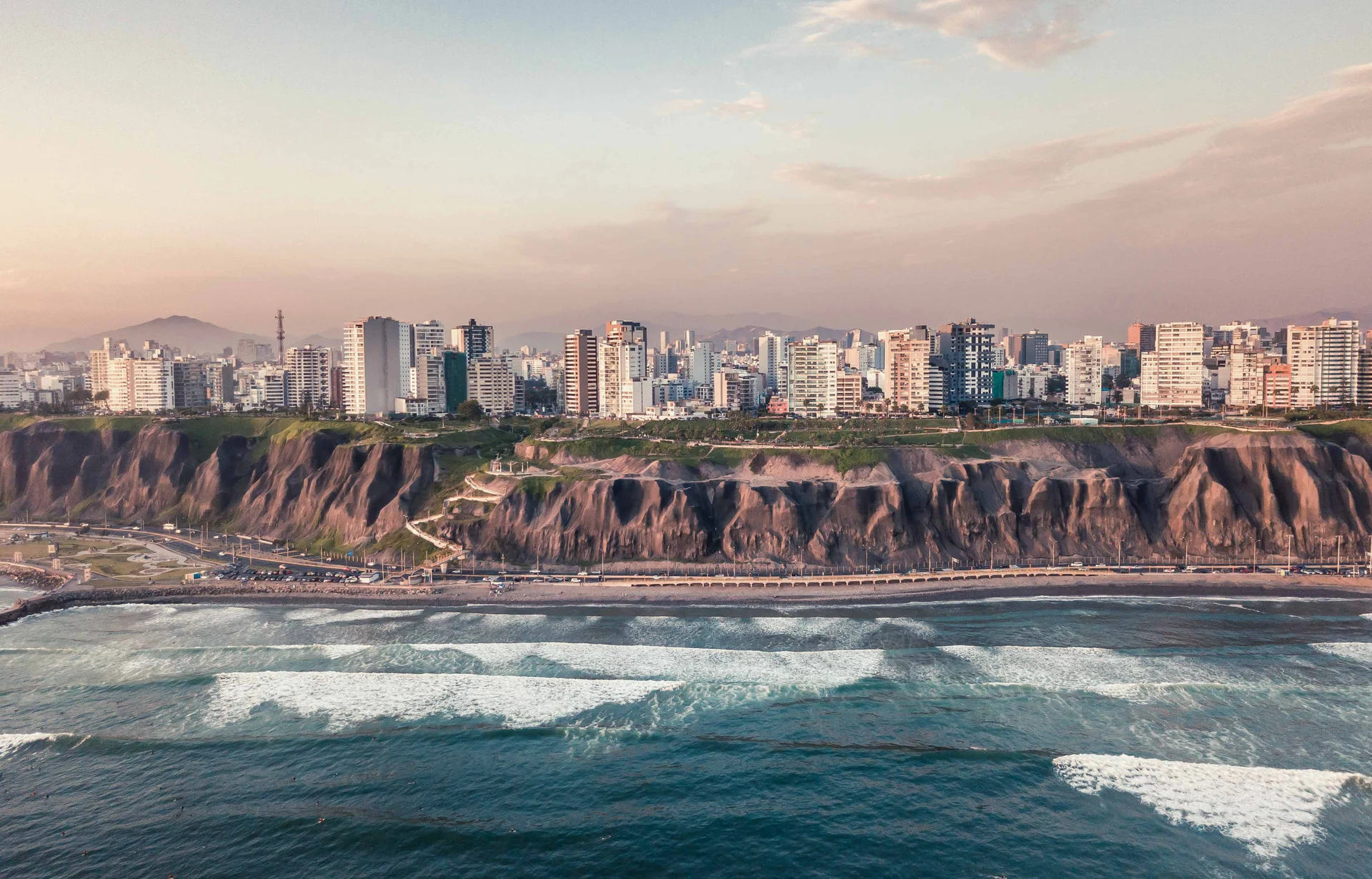
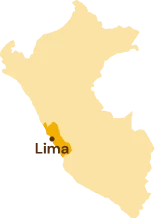
Welcome to Peru. Our team meets you at Lima airport and takes you to the seaside districts of the city. The rest of the day is yours: the malecon runs for kilometers along the cliff top, and there is little to do but walk it, eat well and sleep off the flight.
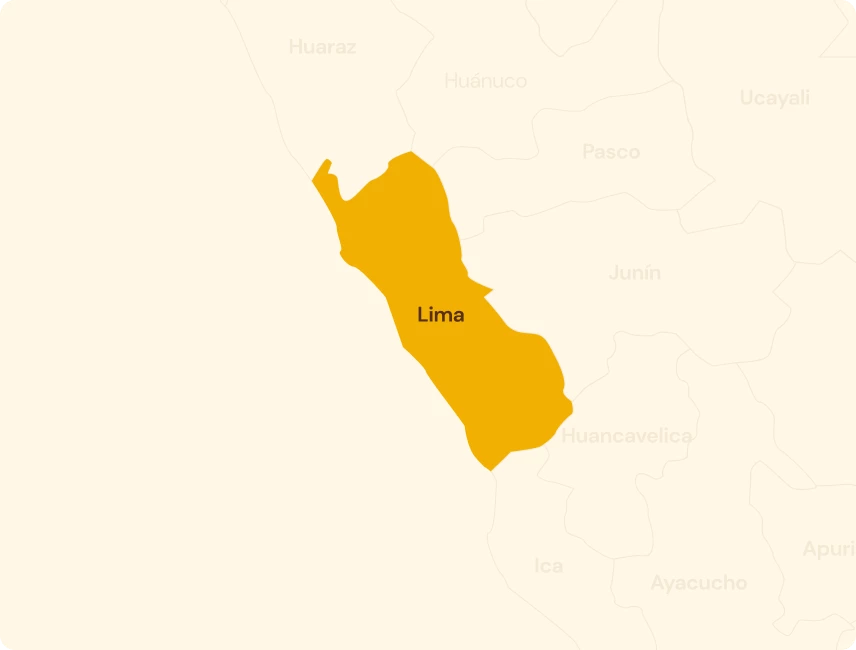
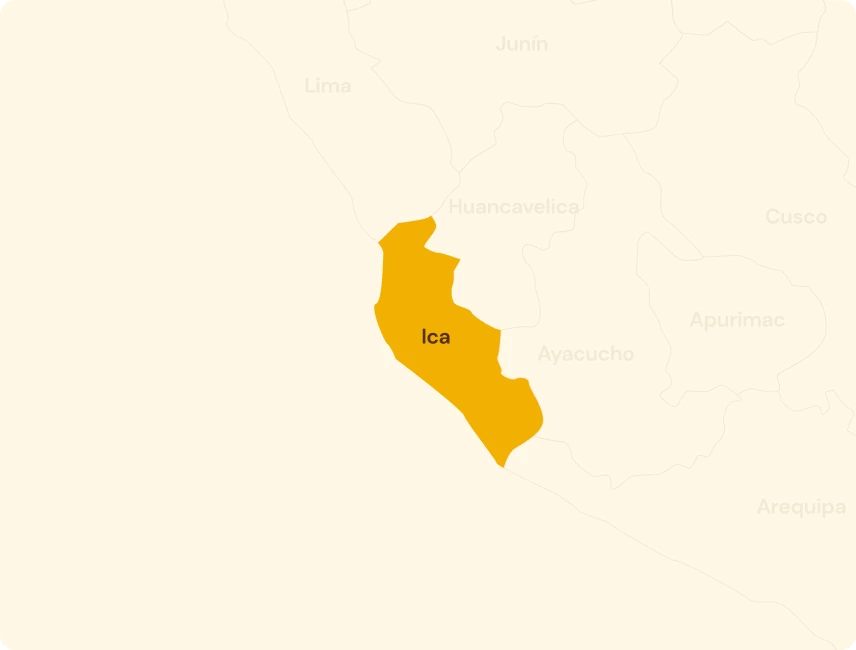
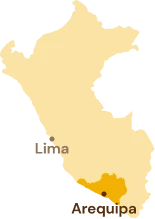
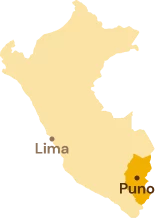
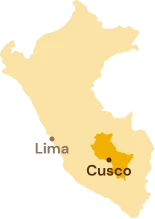
This trip crosses multiple regions of Peru.
This trip crosses multiple regions of Peru.
Near sea level
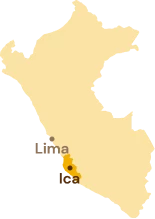
Paracas at sea level. Ica 406 m / 1,332 ft. Nazca 520 m / 1,710 ft
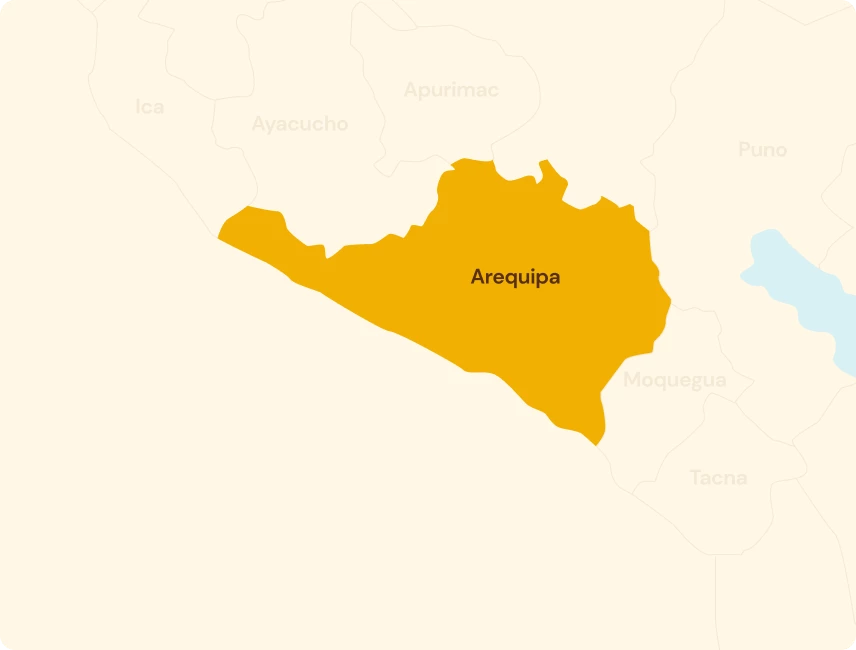
Arequipa 2,335 m / 7,661 ft. Colca Canyon approx. 3,300–3,600 m / 10,800–11,800 ft
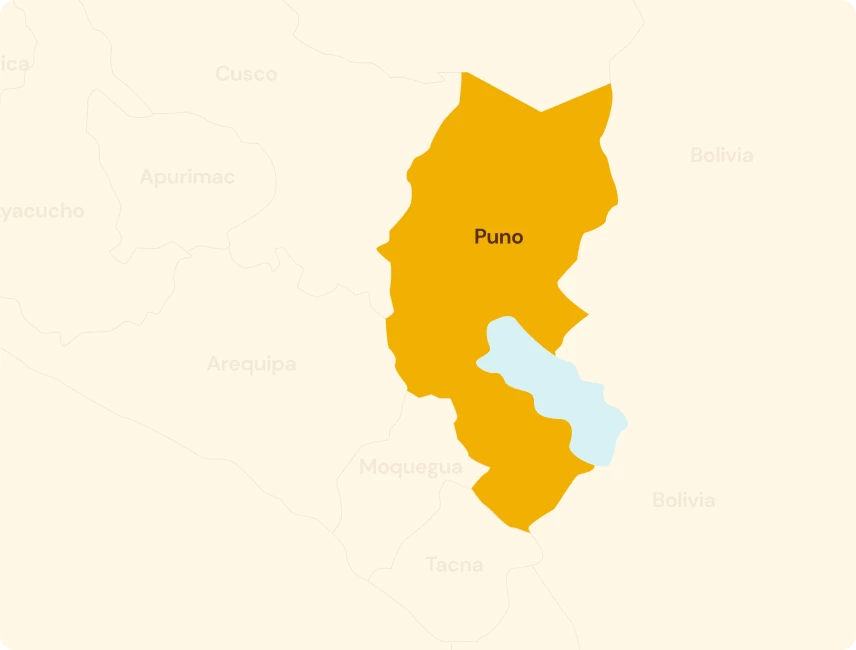
Puno 3,826 m / 12,549 ft. Lake Titicaca 3,810 m / 12,500 ft, the highest navigable lake in the world

Citadel 2,430 m / 7,970 ft. Aguas Calientes town (below the site) 2,040 m / 6,690 ft
Calle Sáenz Peña 208, Barranco, Lima
Comfort
Calle Ugarte 403, Arequipa
Comfort
Av. Sesquicentenario 610, Huaje Sector, Puno
Comfort
Day 01
Welcome to Peru. Our team meets you at Lima airport and takes you to the seaside districts of the city.
Day 02
Surquillo market starts the day, where the city’s cooks buy the morning’s fish and produce, with fruit, bread and seafood to taste as you go.
Day 03
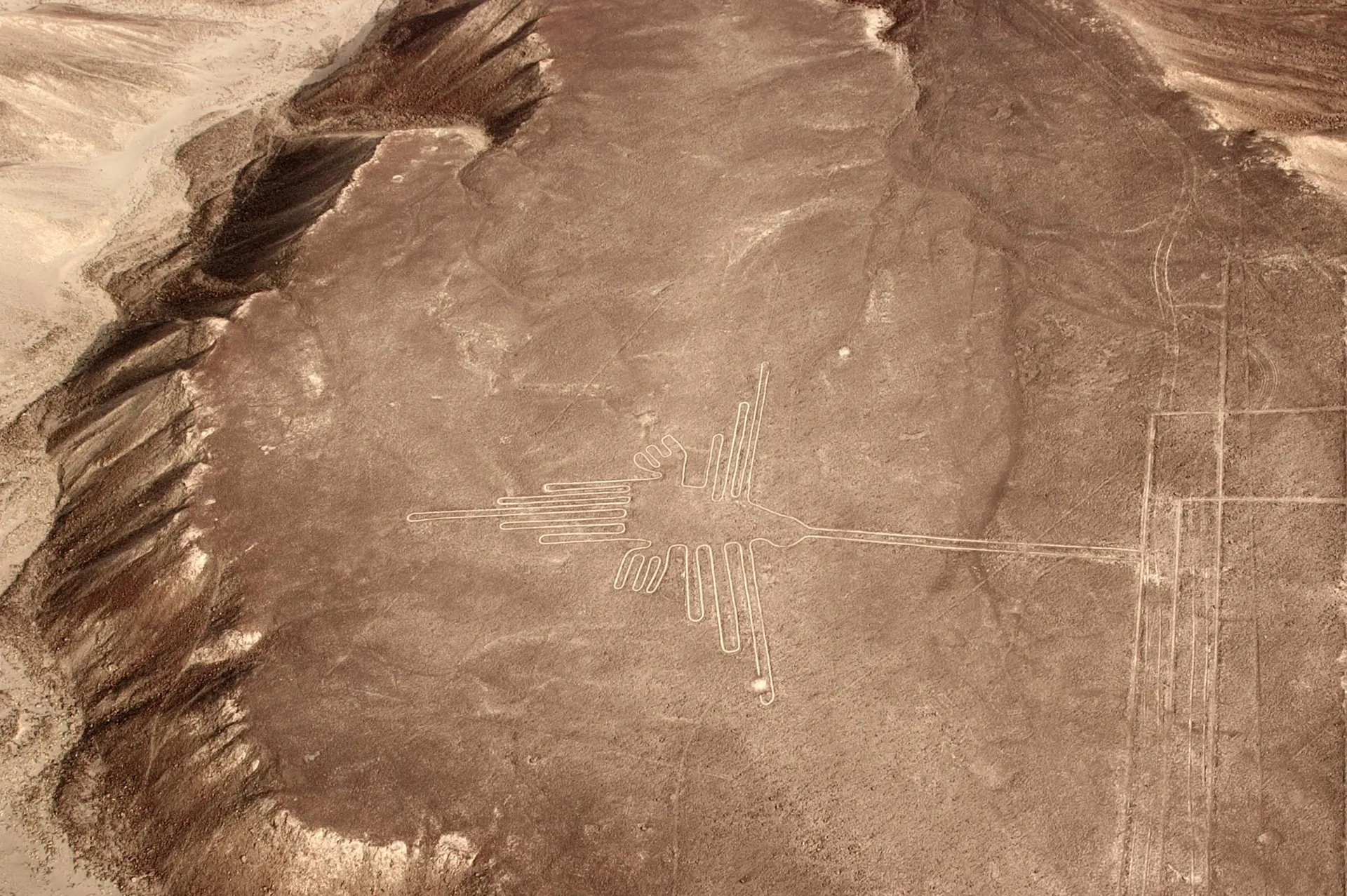
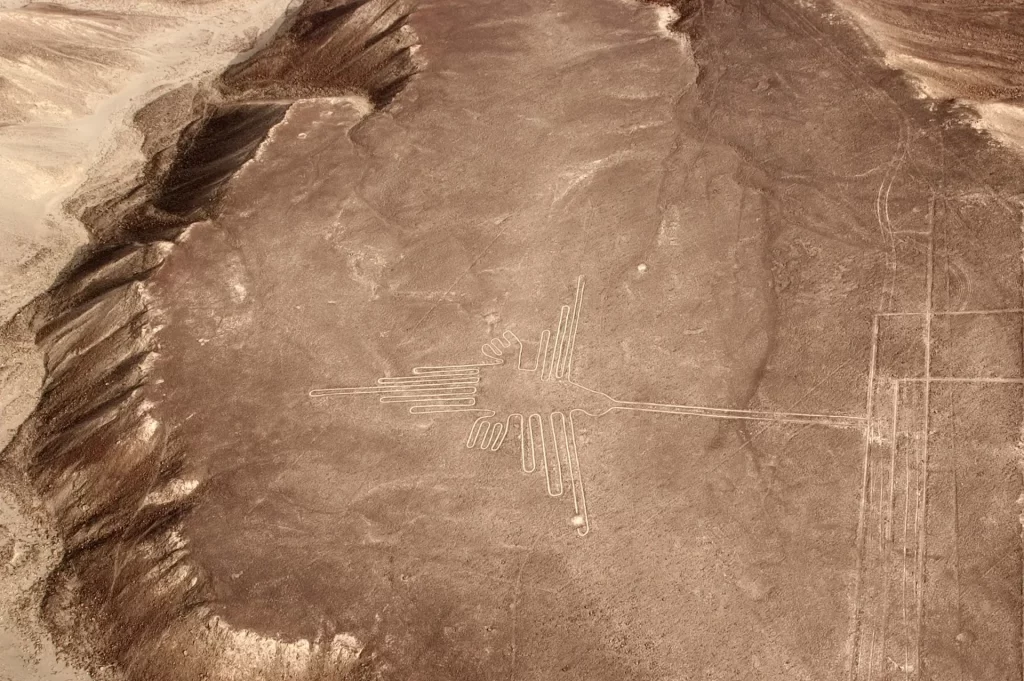
The road runs south along the desert to the airstrip near Pisco, where a light aircraft flies you over the Nazca Lines: the hummingbird, the spider, the monkey and the straight runways cut into the pampa, legible only from above and still unexplained.
Day 04
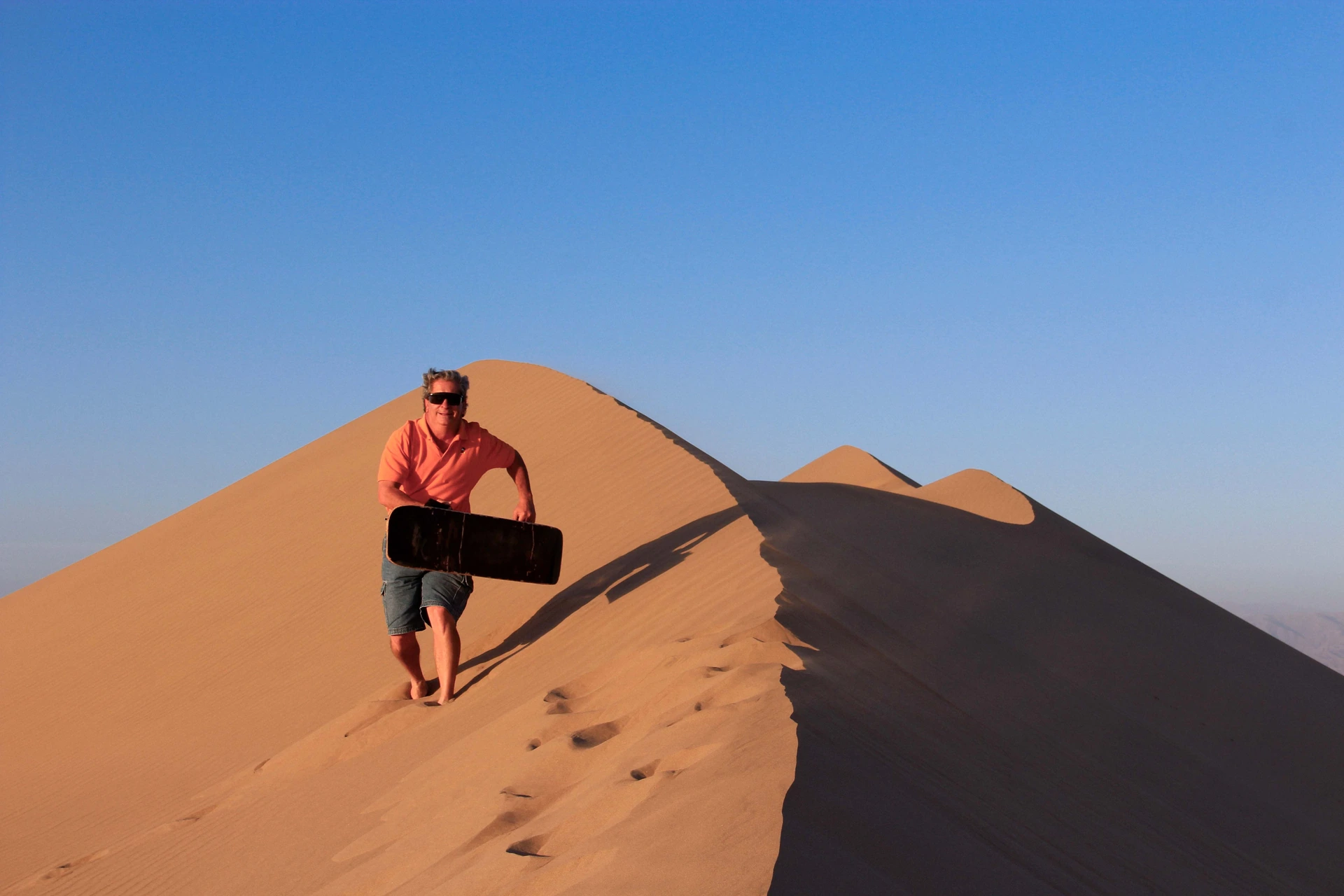
A fast boat runs out to the Ballestas Islands, past the Candelabro geoglyph cut into the sand cliff, to the sea lion colonies, the cormorant and pelican rock and the stone arches left from the guano trade.
Day 05
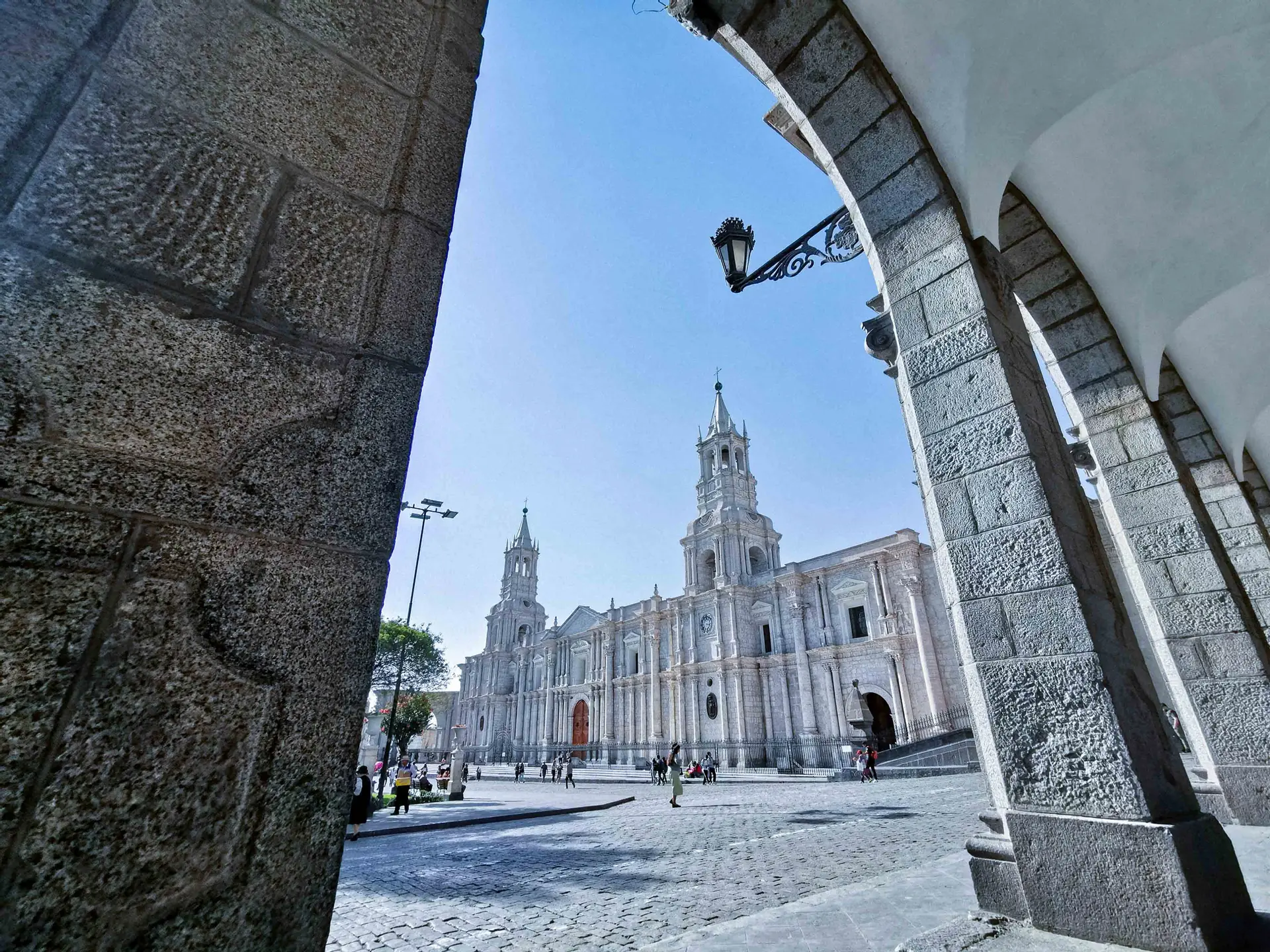
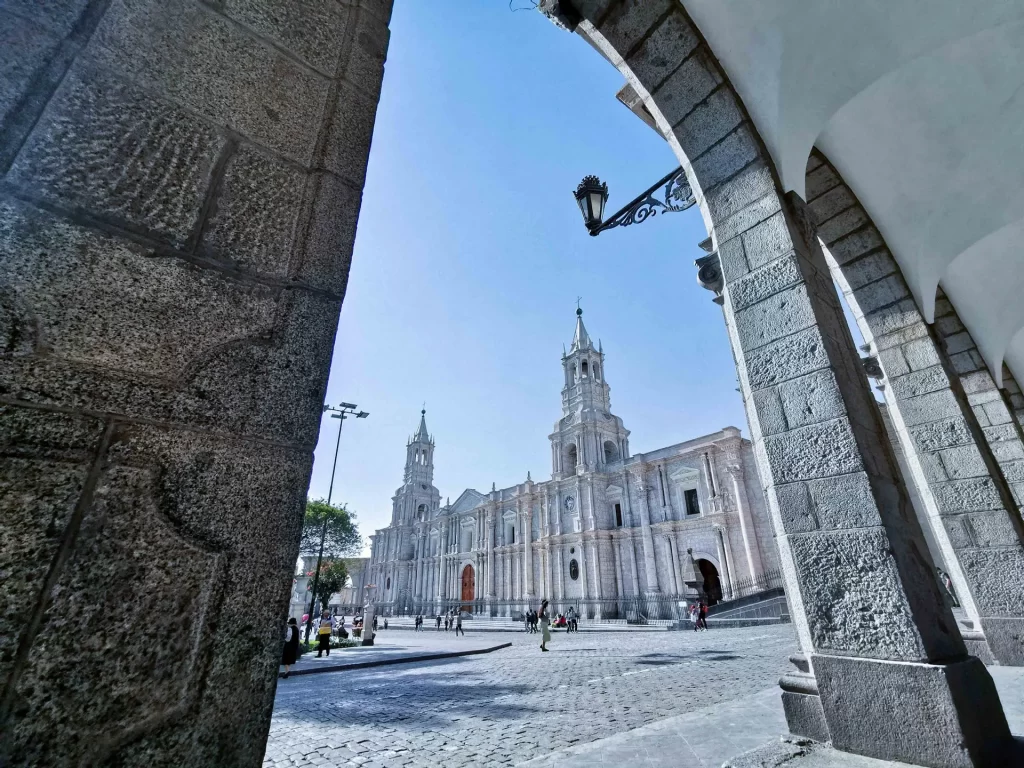
The morning goes back up the coast to Lima and on by air to Arequipa, the second city of Peru, built out of white volcanic sillar that gives every facade its glare.
Day 06
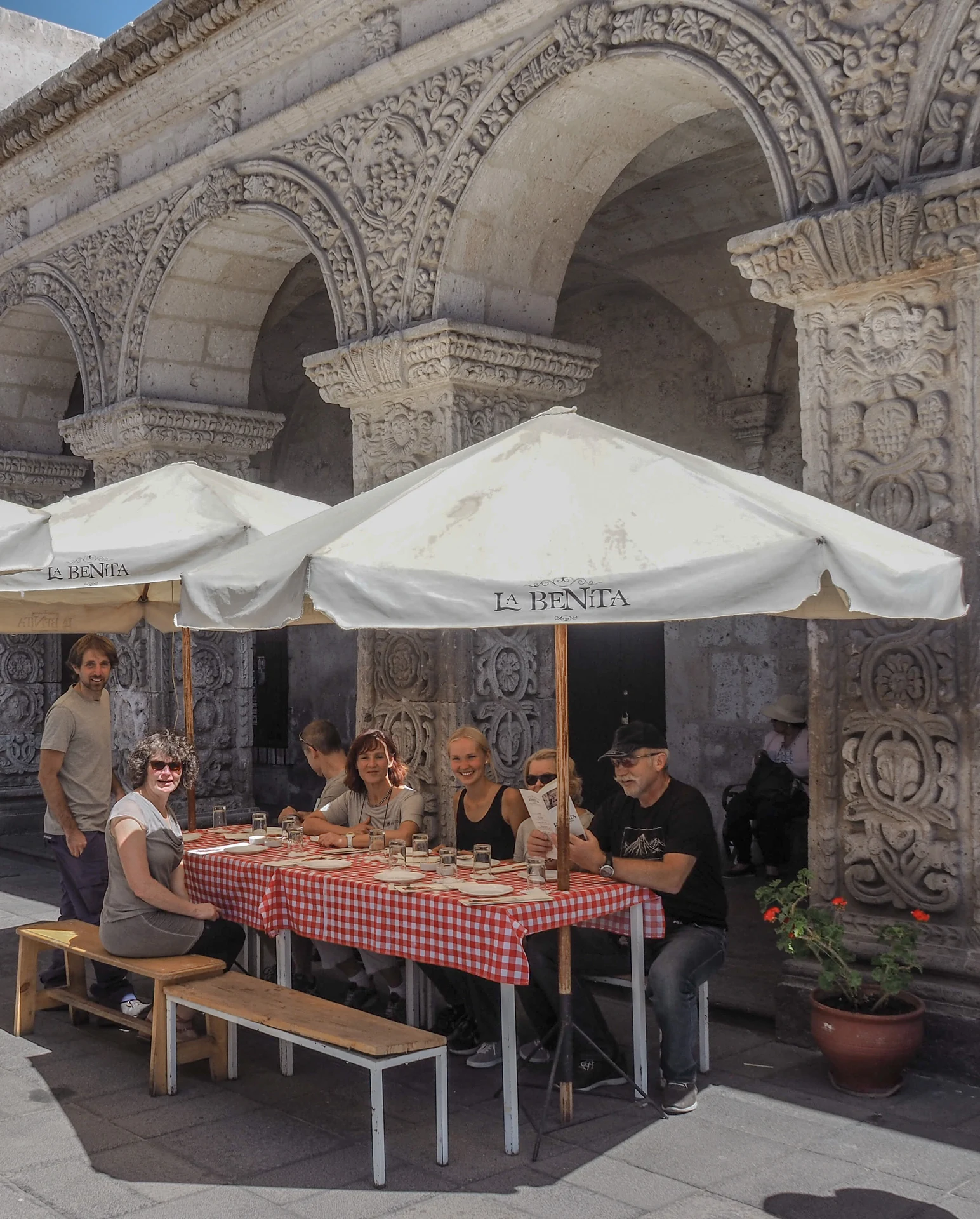
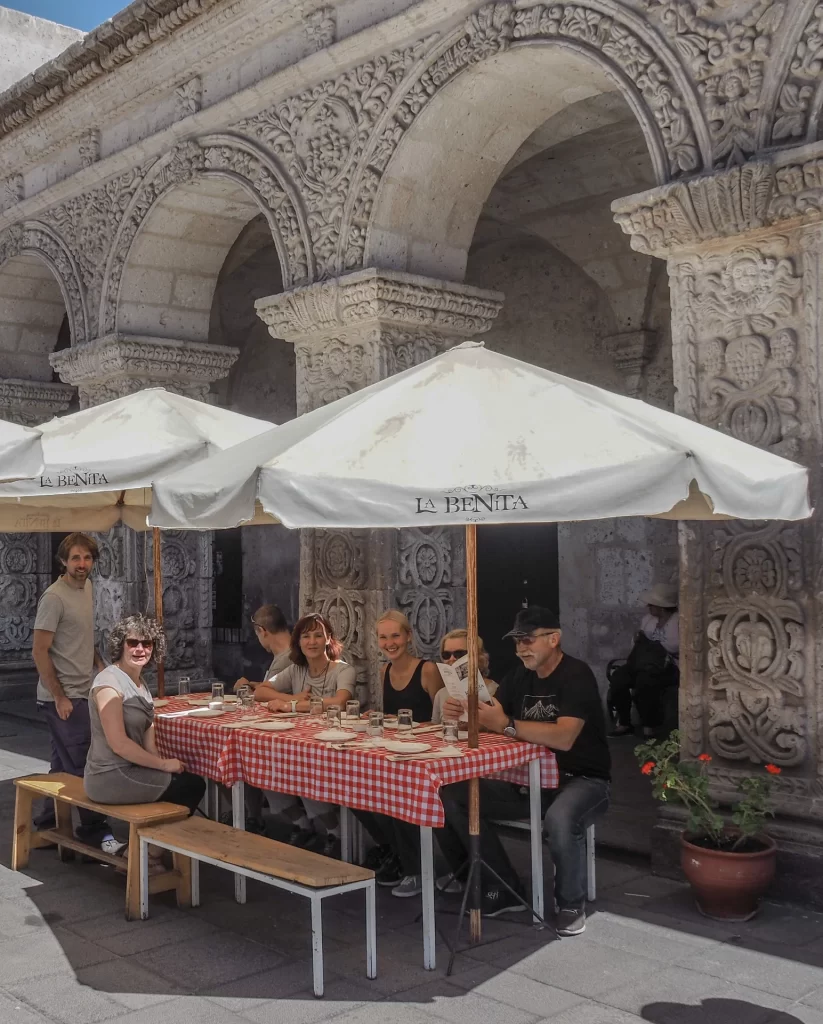
Arequipa is a city with a kitchen of its own, and this day is spent inside it. San Camilo market comes first for ingredients, then a cook leads the rest: the batan, the grinding stone that breaks the regional chilies down, and the preparation behind rocoto relleno, ocopa and the adobo that only appears on certain days.
Day 07
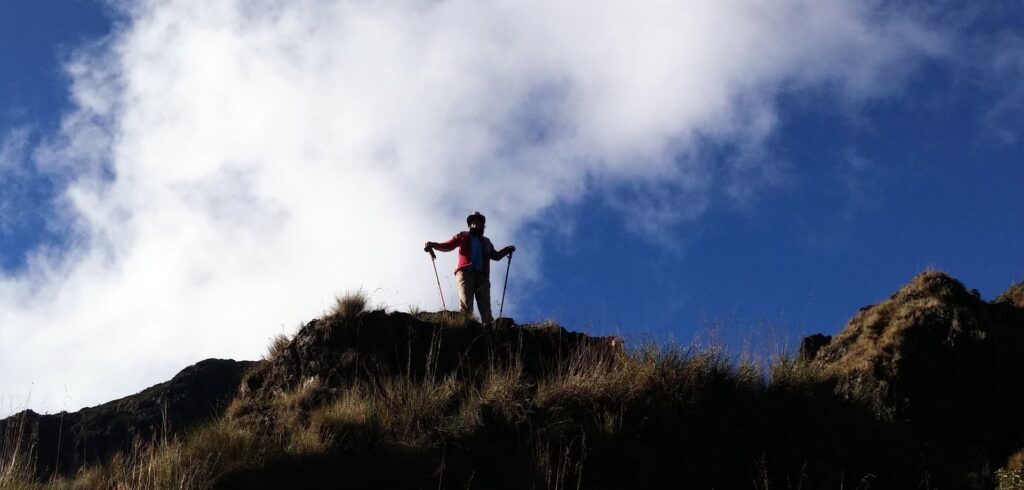
The road north climbs onto the altiplano and over the Patapampa pass at more than 4,800 meters, with the volcanoes of the Western Cordillera lined up across the plain.
Day 08
Breakfast is a picnic at Cruz del Condor, at the edge of the Colca, one of the deepest canyons in the world, where Andean condors ride the first thermals out of the gorge without a wingbeat.
Day 09
The drive east crosses the altiplano, with flamingos standing in the shallows of Lagunillas and puna grassland running to the horizon.
Day 10
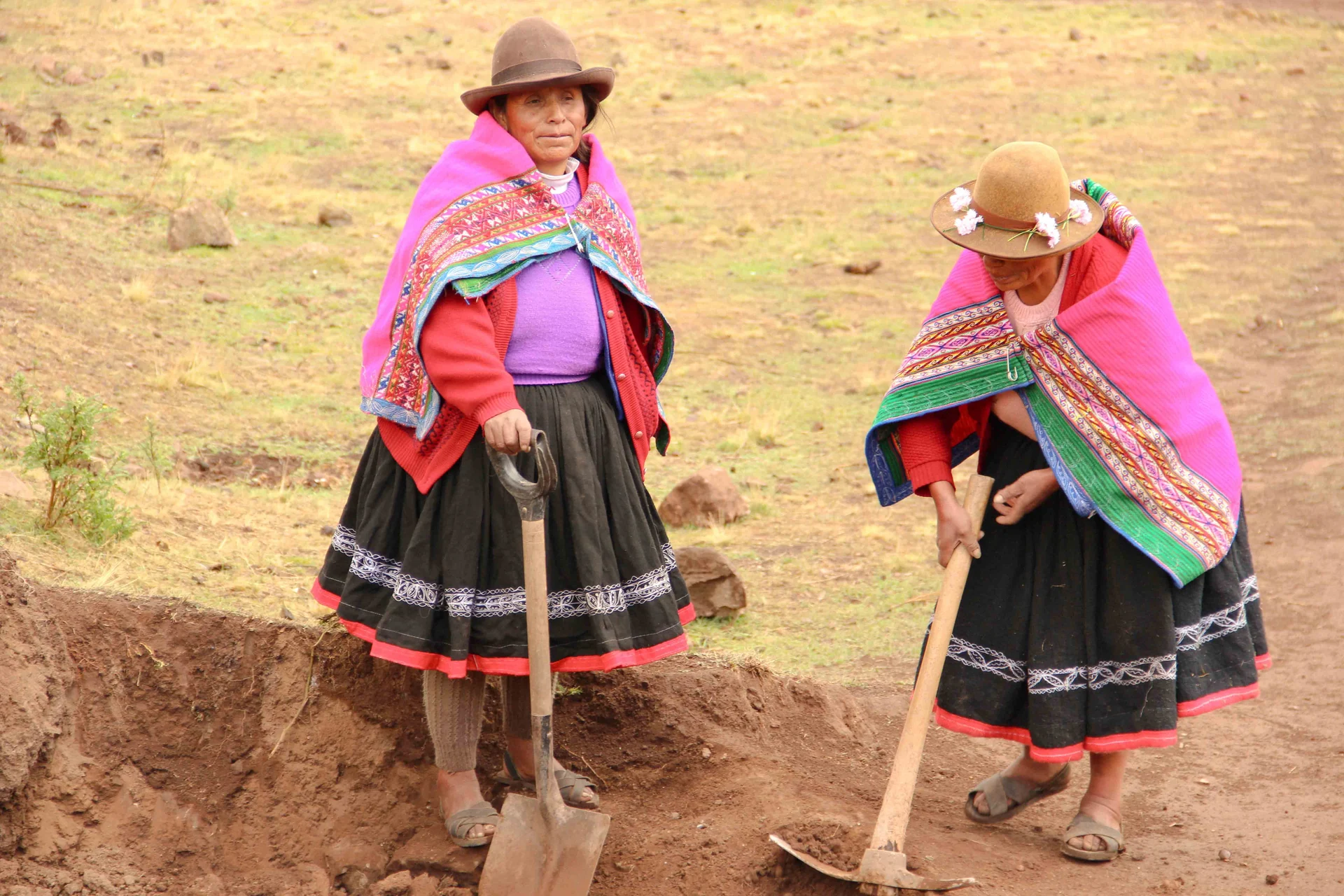
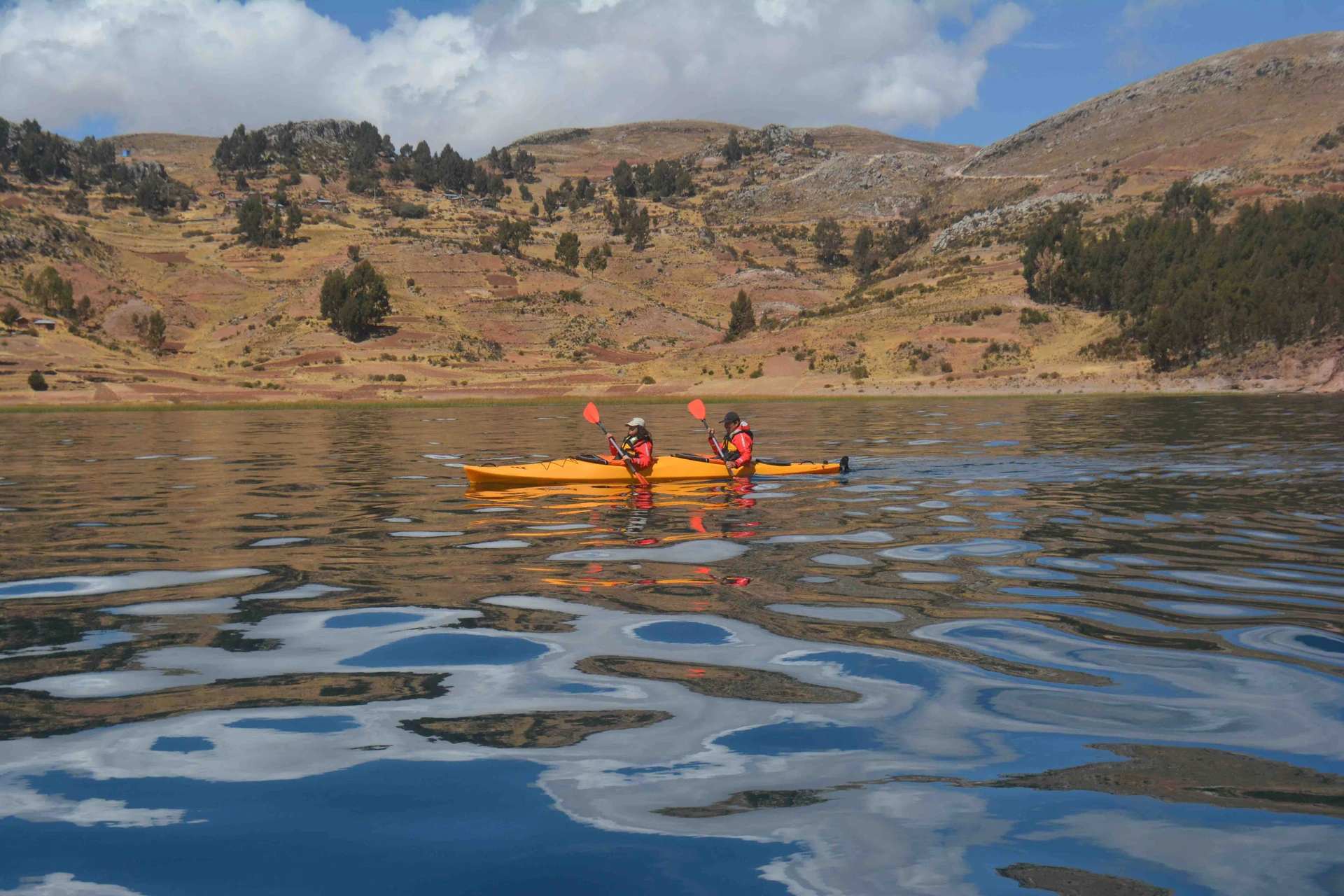
A private boat crosses Titicaca in the morning to Luquina, a farming community on the Chucuito peninsula, where the day is spent with the families: a walk along the shoreline, a kayak out on the water and lunch at a family table.
Day 11
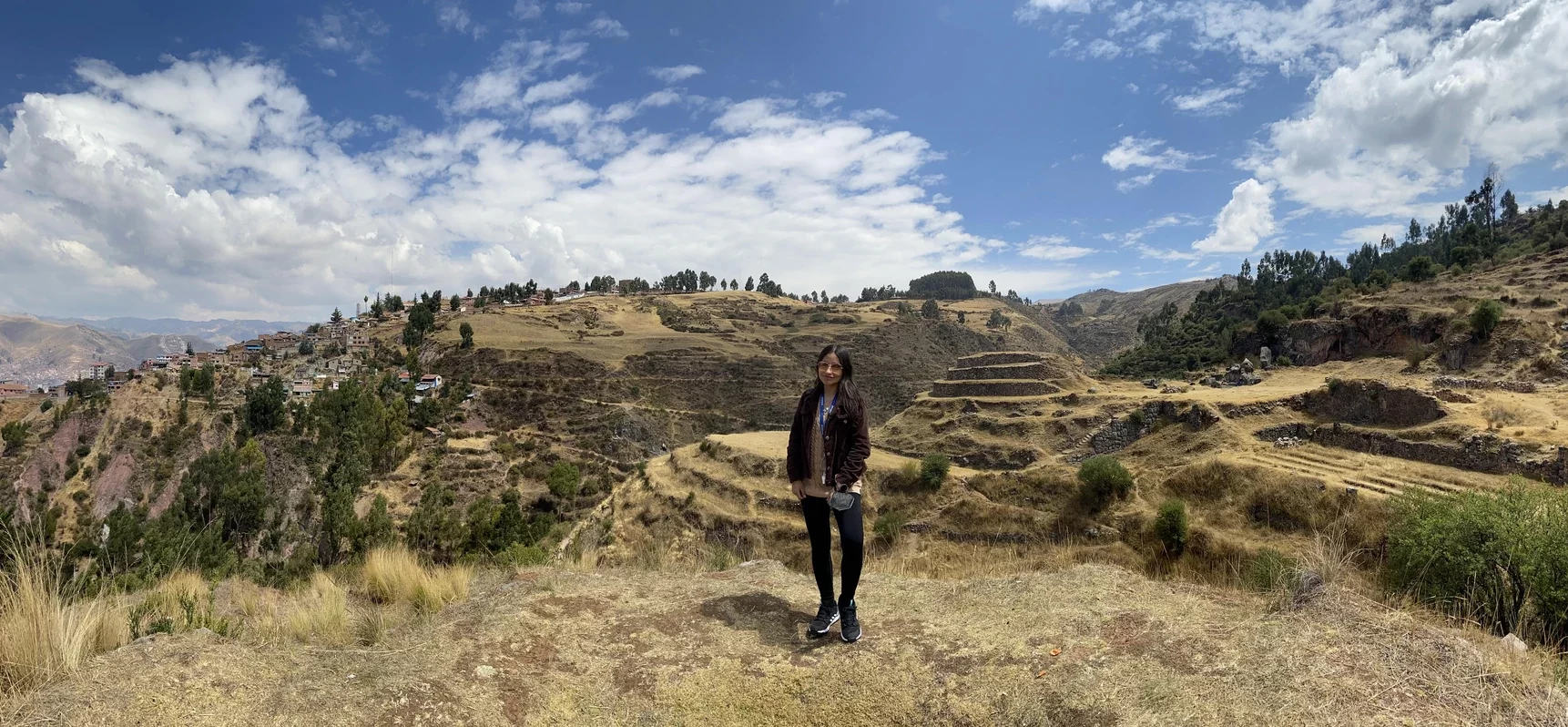
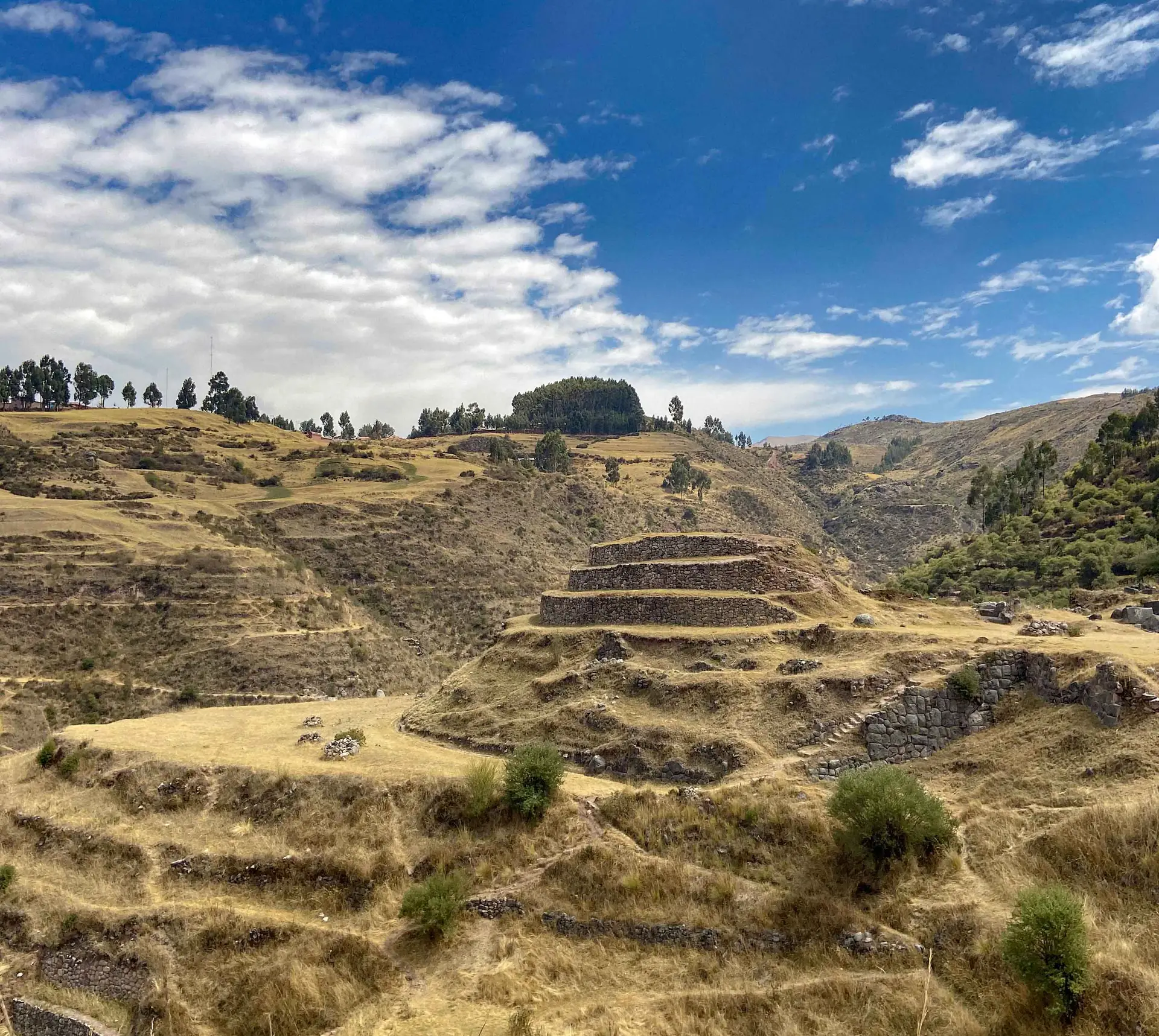
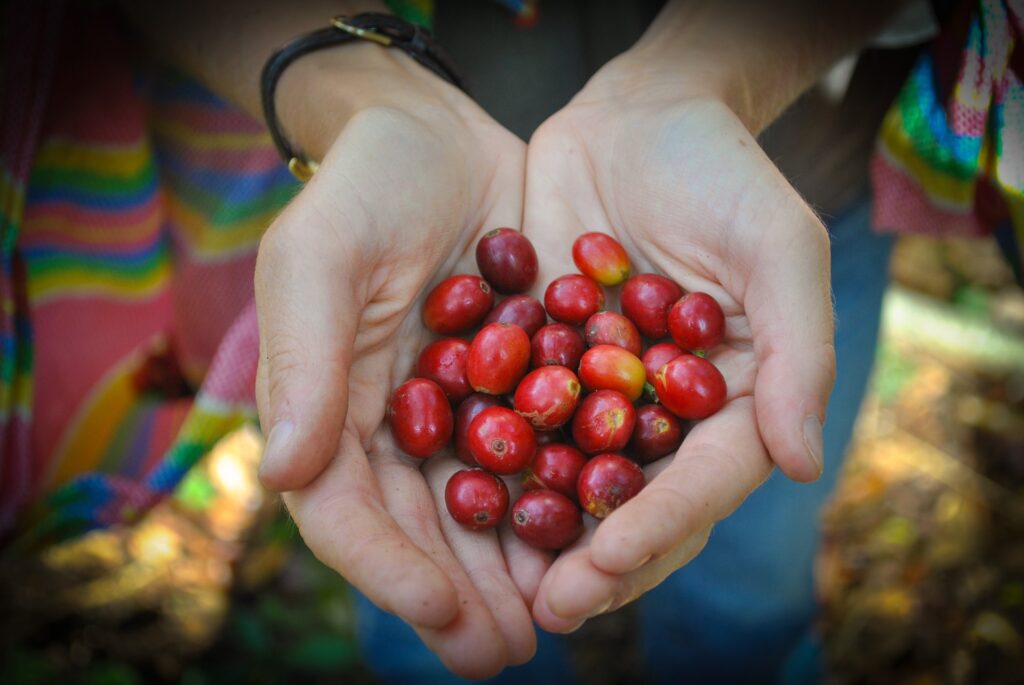
The road north to Cusco runs through the highlands all day. Pucara comes first, a village with a pre-Inca site and a cafe pouring coffee grown by the owners’ family in the cloud forest of Sandia.
Day 12
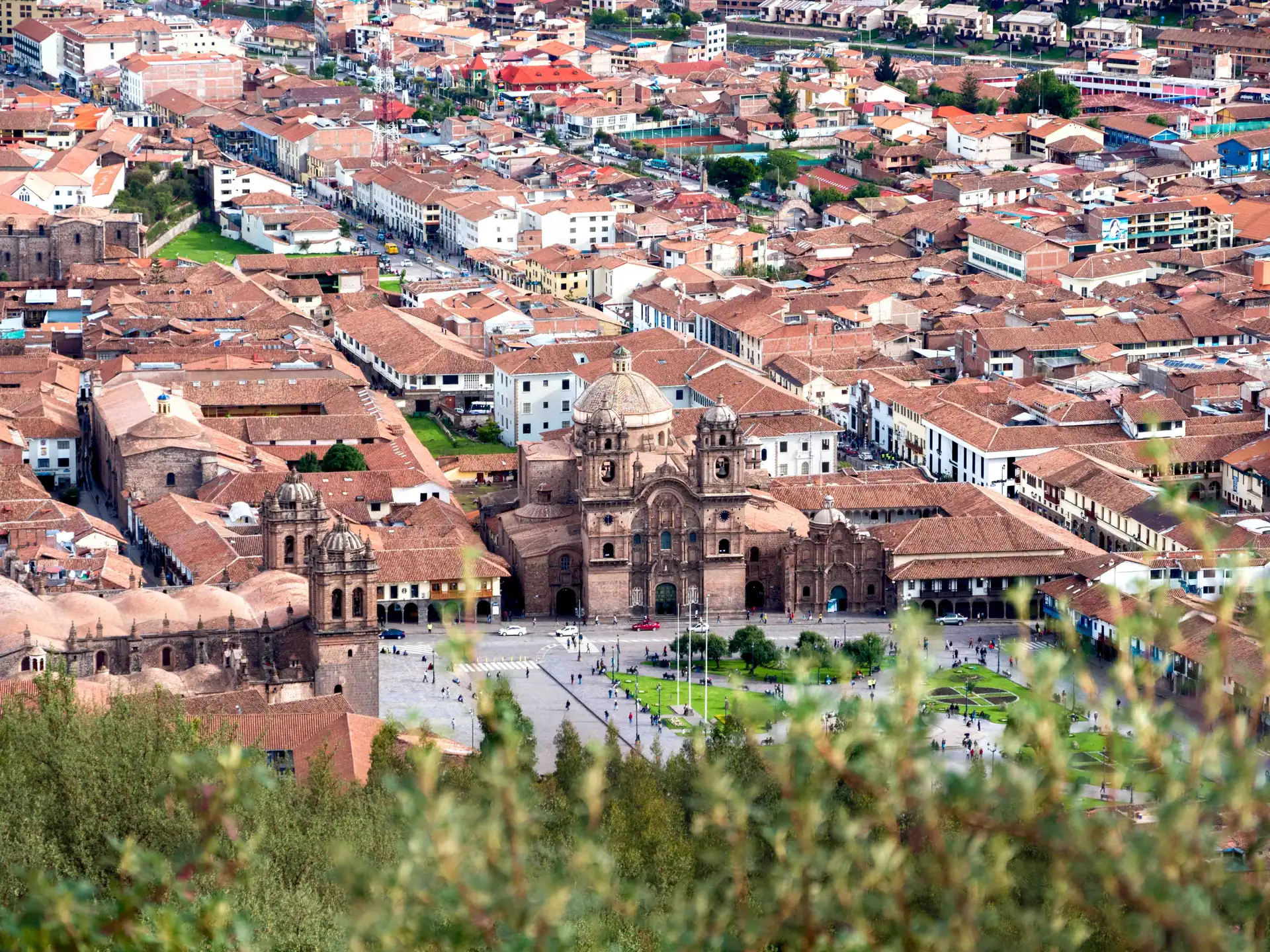
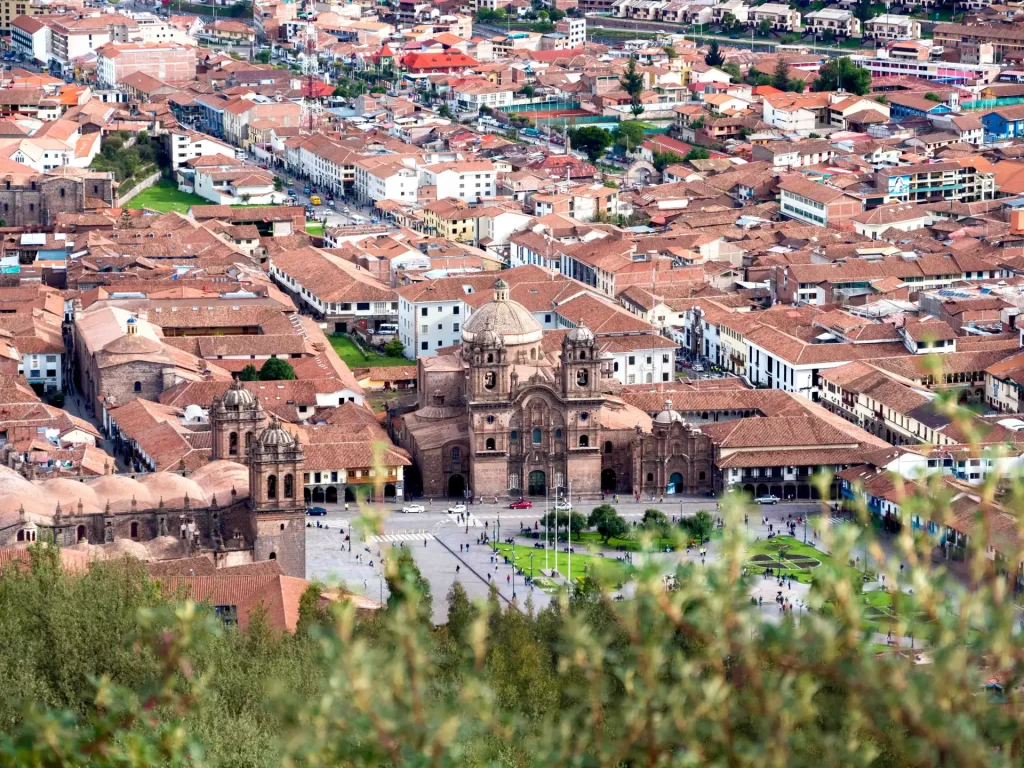
The morning is unscheduled in Cusco: the old center is walked at your own rhythm, San Blas has the cafes, and the road so far catches up with everyone.
Day 13
Amaru sits high above Pisac, at the altitude where native potatoes, quinoa and kiwicha still grow on old terraces. The morning is spent in the fields with the elders, learning what goes in when and what comes out, and lunch is cooked on a hearth in one of the family homes.
Day 14
An early start above the village of Yanahuara, at a forest reserve where dozens of Andean hummingbird species come to feeders at arm’s length in the first light.
Day 15
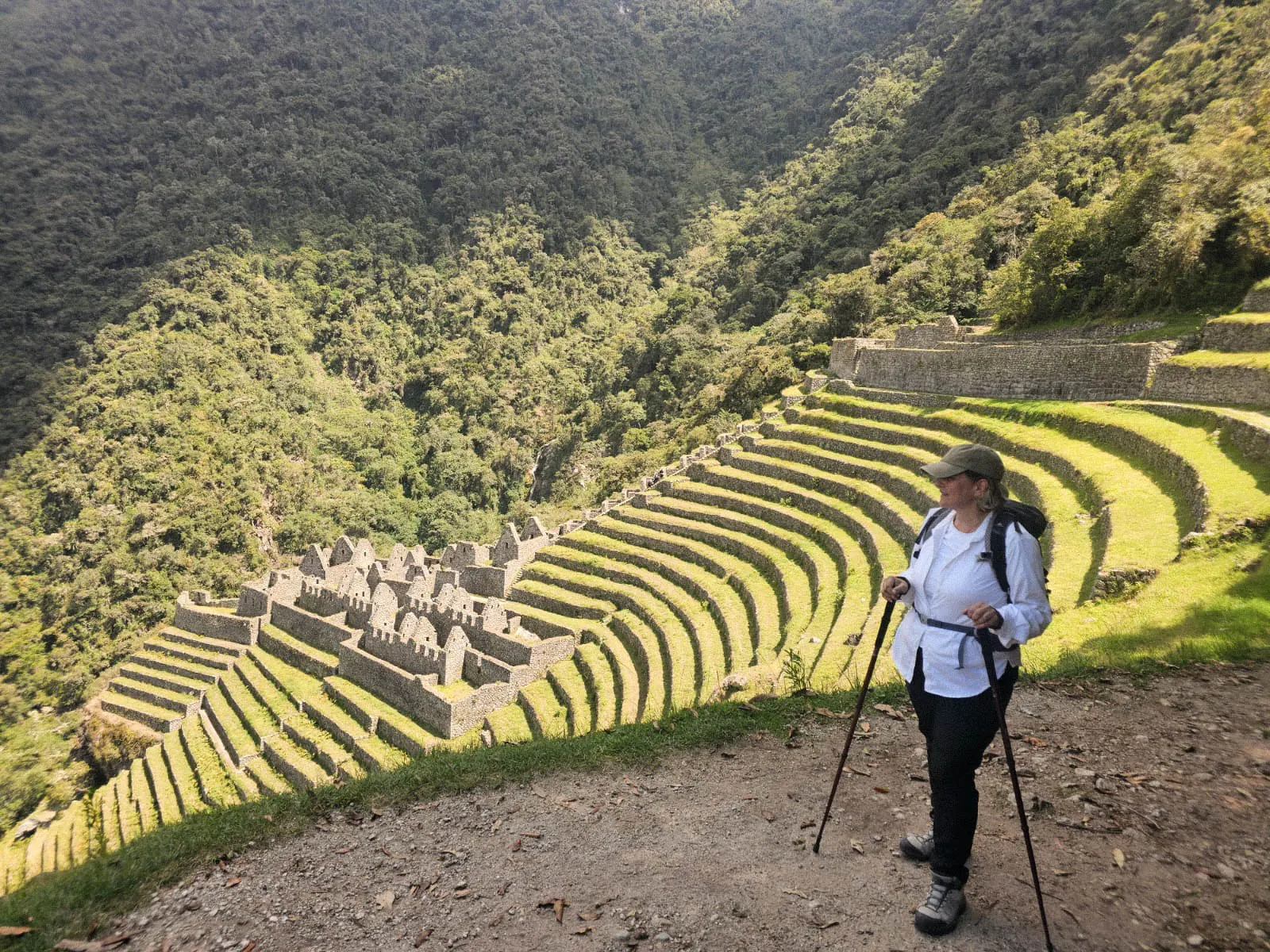
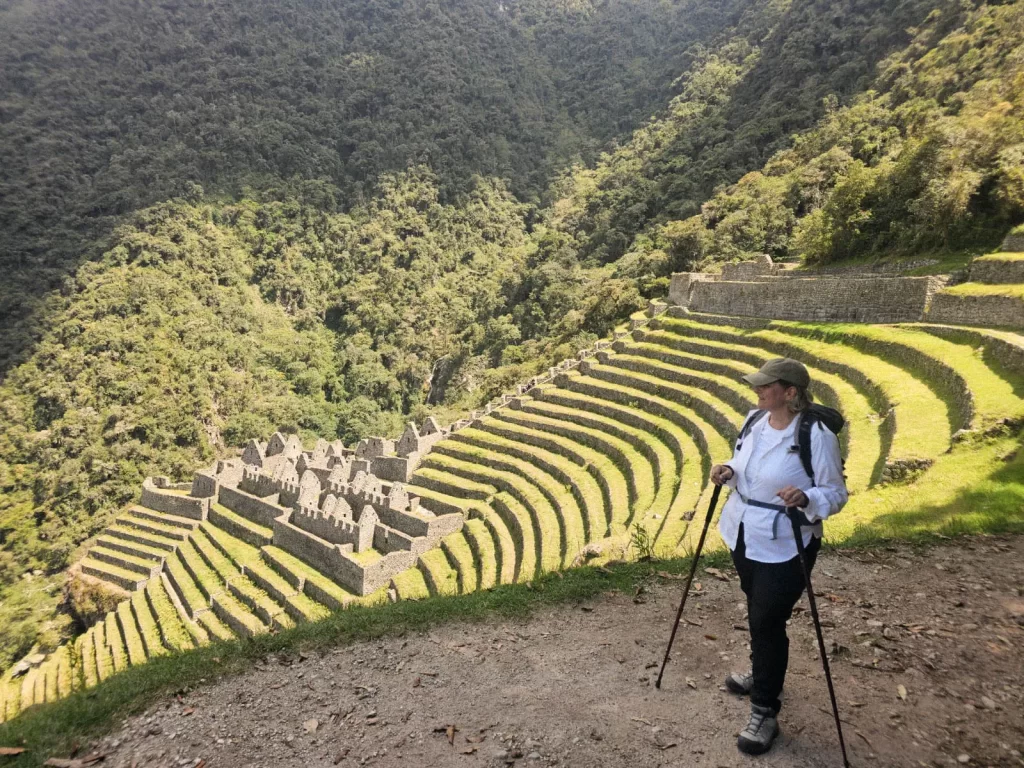
The train stops at kilometer 104 and the trail starts on the far bank of the Urubamba: eleven kilometers in all, most of it climbing.
Day 16
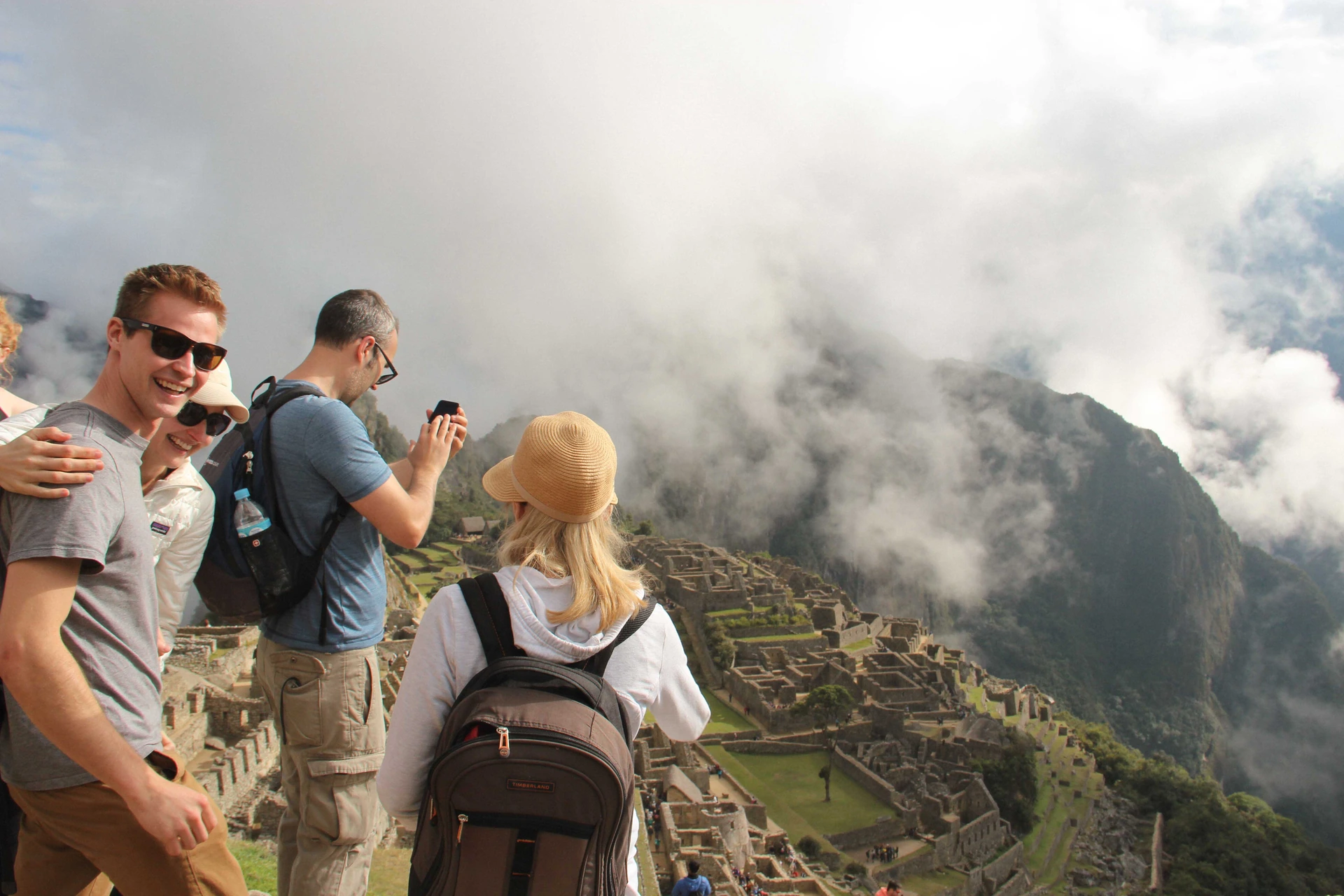
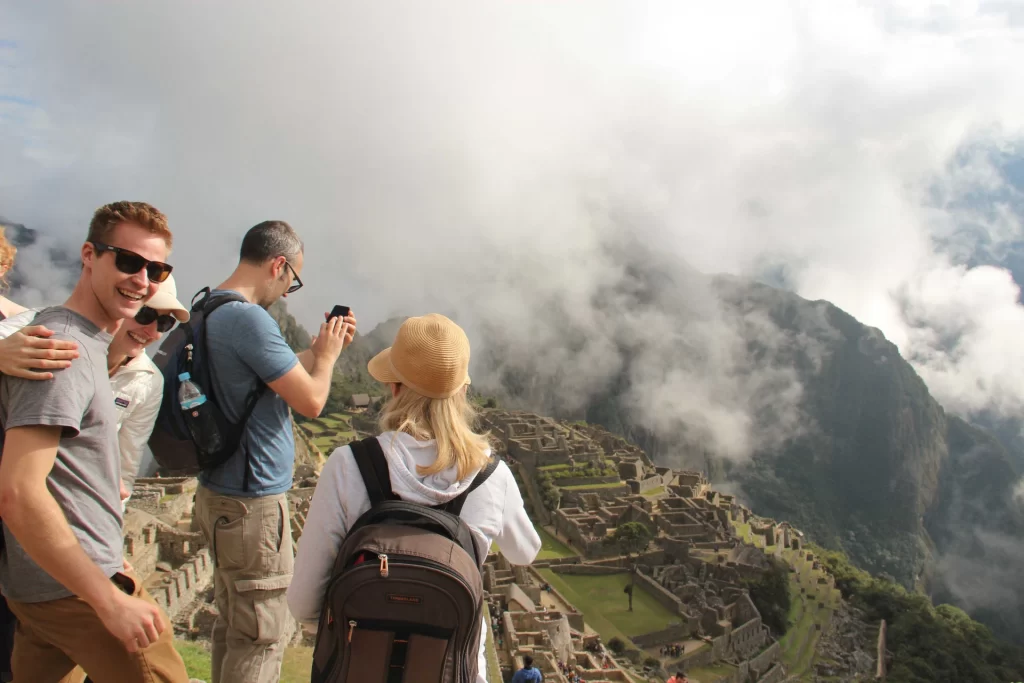
A second entry, and this time the citadel is walked in full, from the angle yesterday’s arrival from above could not give: the temples, the urban sector, the terraces, and the stone the Inca cut and fitted so closely that no mortar was needed.
Day 17
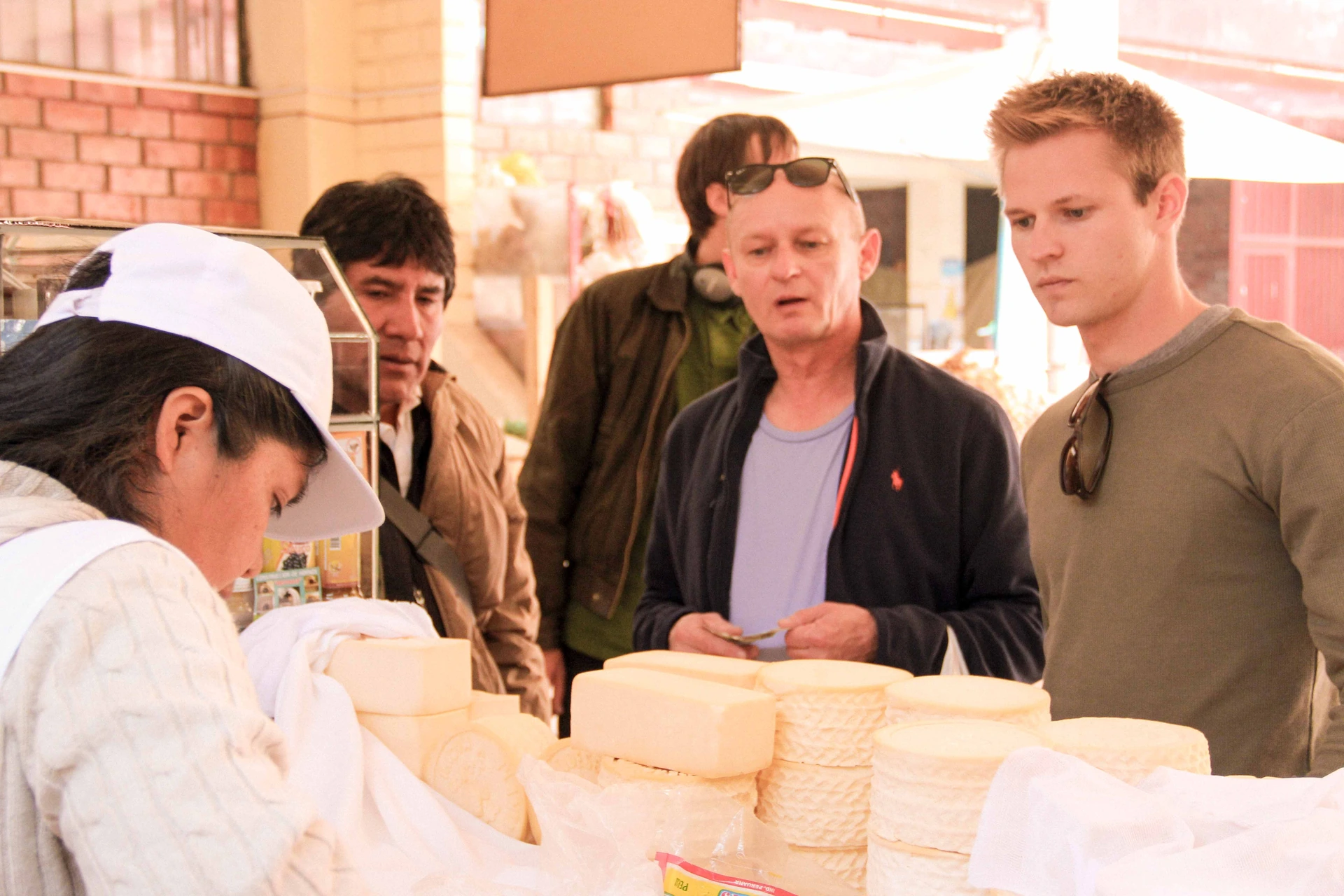
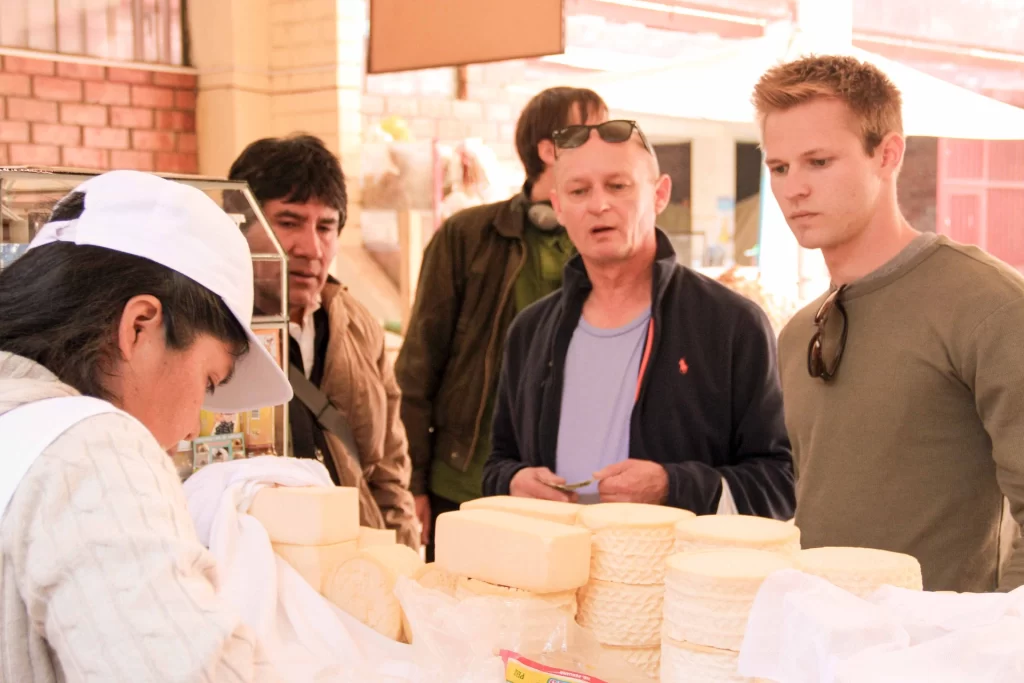
Seledonia walks you out through the old streets and into San Pedro market, where the Andean breads, cheeses and fruit that feed Cusco are stacked down the aisles.
Day 18
Eighteen days in, the last morning is yours in Cusco, perhaps a coffee on your own in San Blas or one more look at the Koricancha walls.
Signature Collection
Fully customizable
Signature Collection
Fully customizable
Signature Collection
Fully customizable
Fully customizable
THANK YOU FOR CONTACTING US, HE WILL WRITE TO YOU SOON.

 Signature Collection